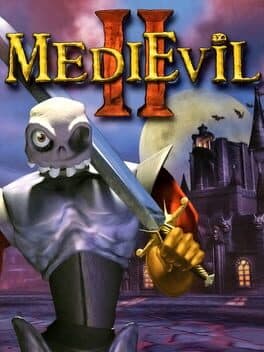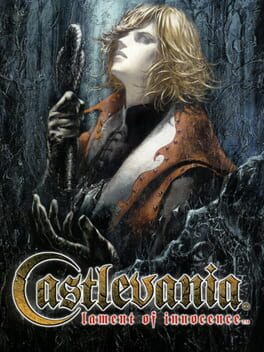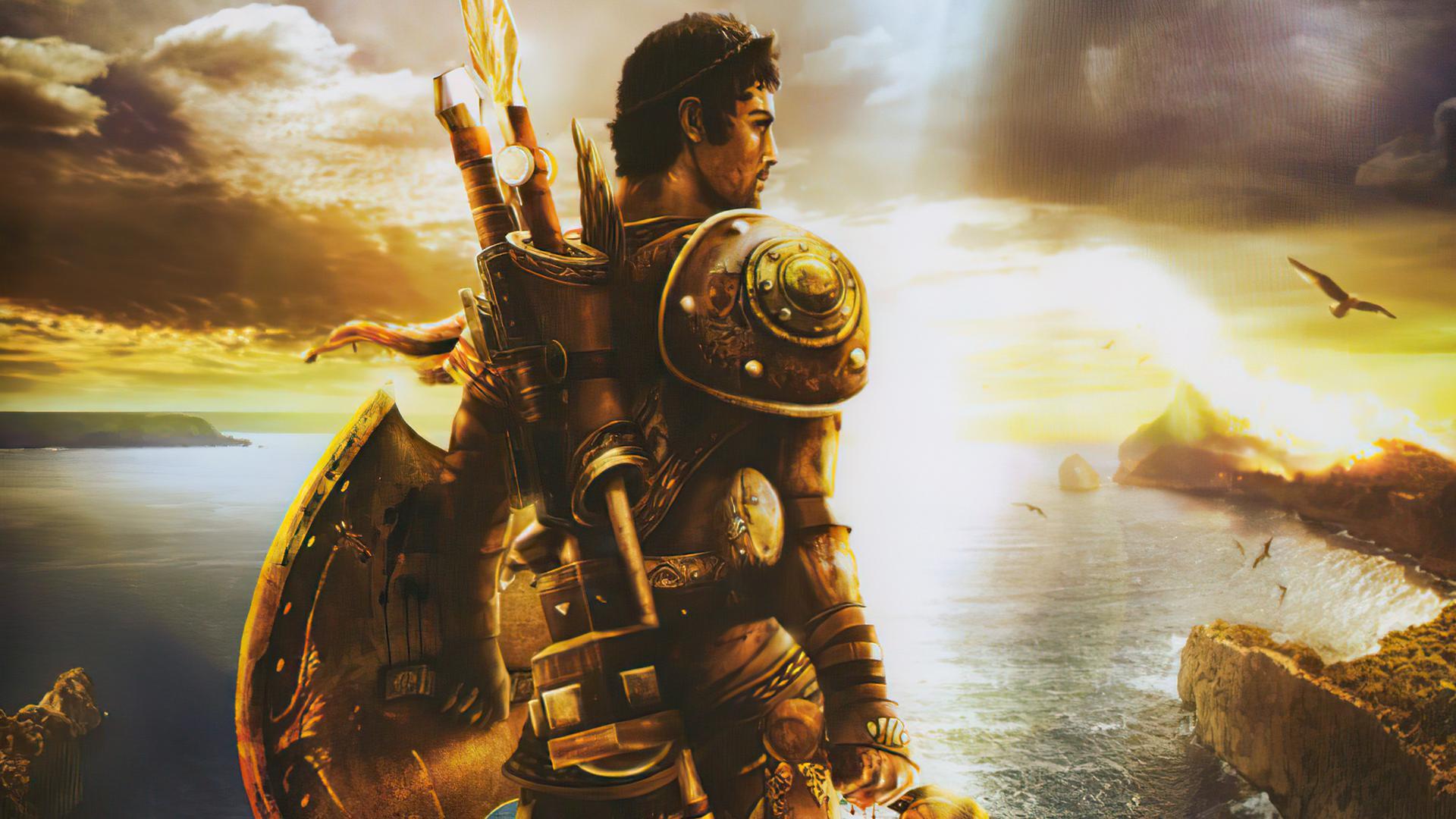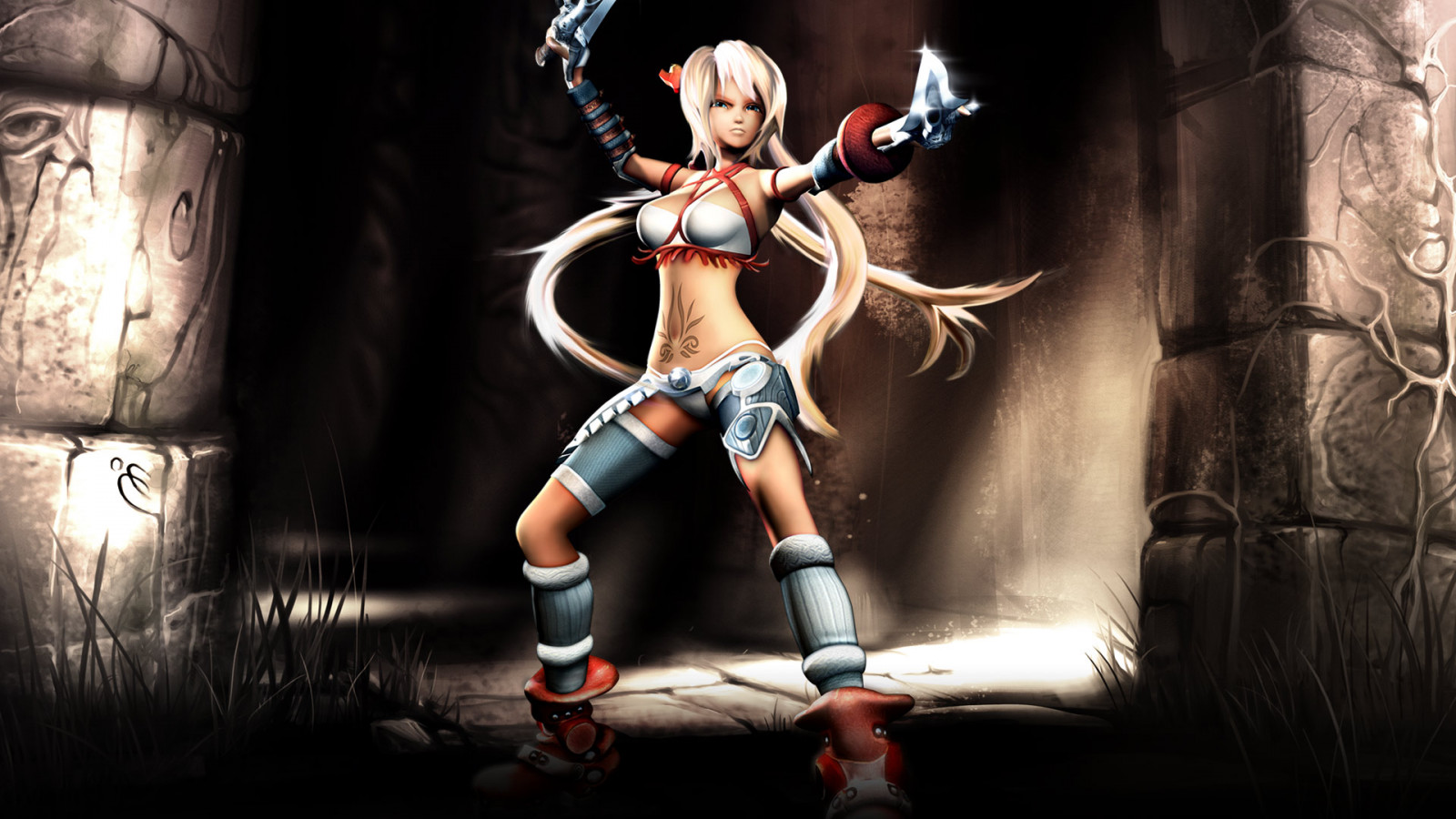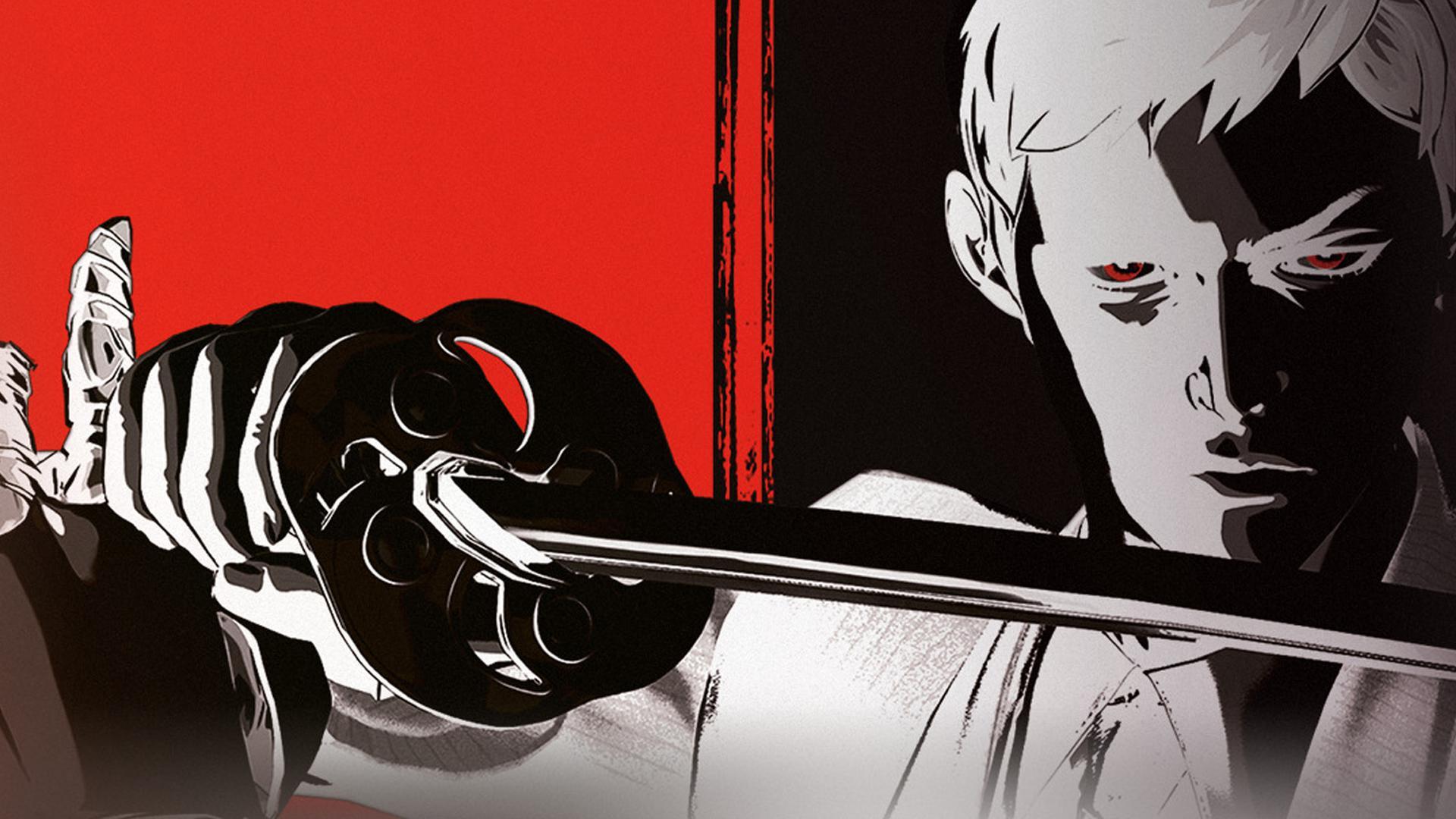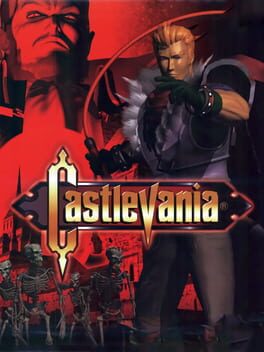
✓ Fits the third-person Action RPGs cluster, with deep RPG systems, action RPG combat and puzzle design
≠ Stands apart with setting medieval, while skipping exploration and discovery

Games like Castlevania · Find similar →
More about this game →We filtered the 50 games similar to Castlevania down to the 50 that fit the “Action RPG” category. MediEvil, MediEvil II and Alice: Madness Returns top the list, ranked by affinity and similarity score to Castlevania.
Did you find what you were looking for?
Quick answer
Within the “Action RPG” category, the closest game to Castlevania is MediEvil — scoring 95/100 on our similarity scale. MediEvil II and Alice: Madness Returns follow close behind.
Help us build the best rankings
Community poweredVote on each result below — good match or not. Every vote directly shapes how we rank similar games for everyone.
Handpicked by our similarity algorithm, these are the titles with the highest gameplay match to Castlevania. Each one has been evaluated across 13 real attributes — from combat style and progression mechanics to world structure and visual perspective — so every recommendation is based on how the game actually plays, not just its genre label.

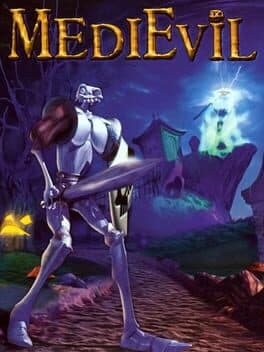
✓ Fits the third-person Action RPGs cluster, with deep RPG systems, action RPG combat and puzzle design
≠ Stands apart with setting medieval, while skipping exploration and discovery

✓ Nearly identical: deep RPG systems, action RPG combat and puzzle design.
≠ Missing: melee combat.

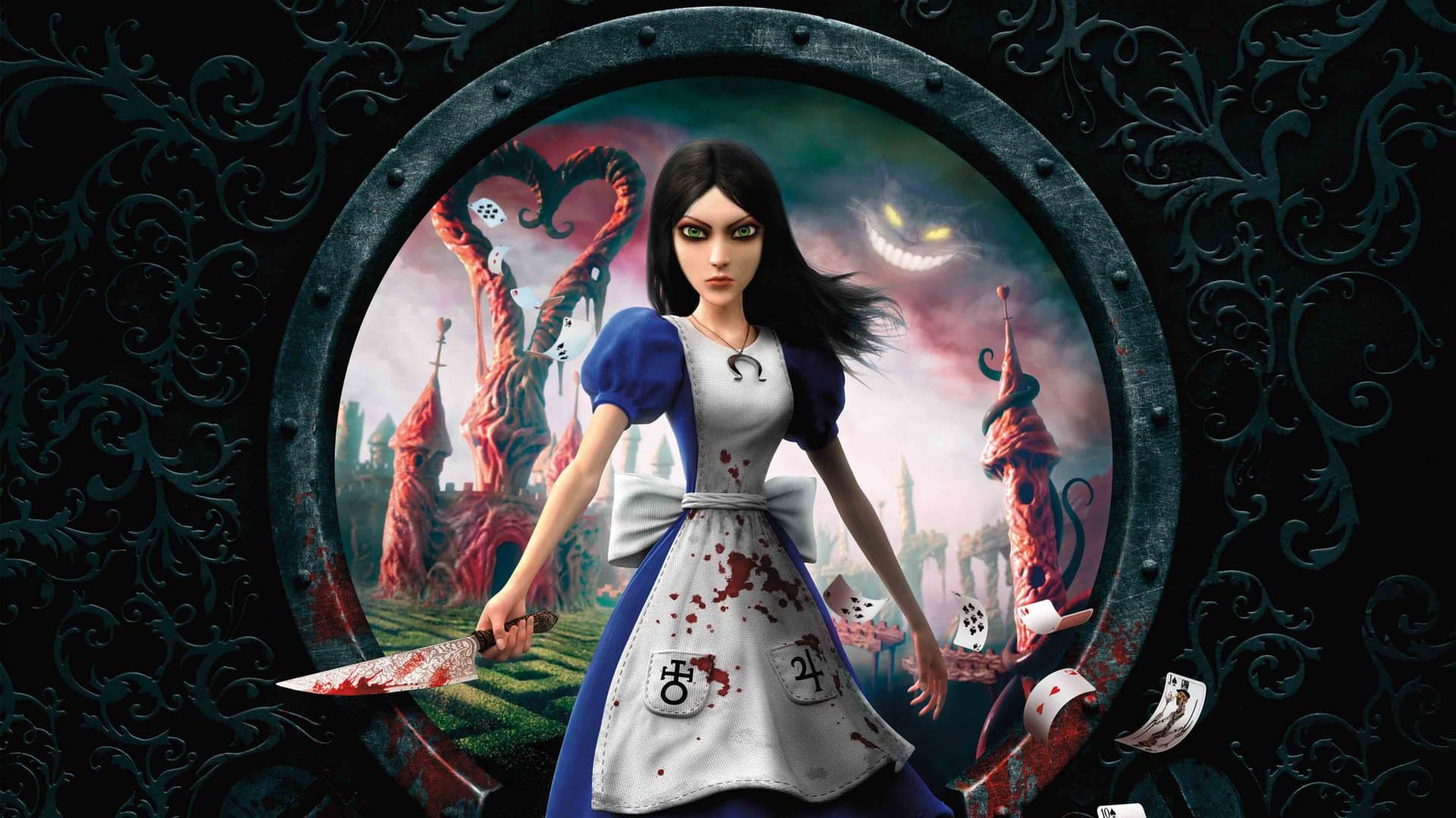
✓ Same family of third-person Action RPGs: deep RPG systems, action RPG combat and adventure storytelling
≠ Stands apart with horror tension, strong narrative focus and fantasy world, while skipping combat magic
This sequel to American McGee's Alice follows the protagonist, Alice Lidell, as she returns to the dark world of her subconsciousness, the nightmarish version of Lewis Carrol’s Wonderland.
Released 12 years after Castlevania.
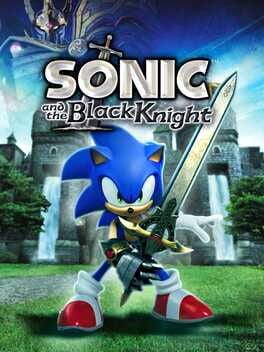
✓ Same family of third-person Action RPGs: deep RPG systems, action RPG combat and precision platforming
≠ Stands apart with sandbox freedom, sandbox world and open world exploration, while skipping puzzle design
Released 12 years after Castlevania.

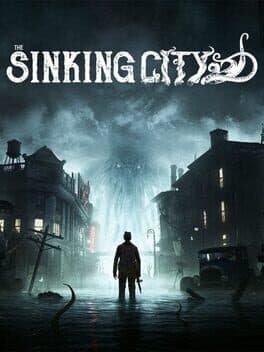
✓ Same family of third-person Action RPGs: deep RPG systems, action RPG combat and adventure storytelling
≠ Its own twist: shooter, third-person shooting and horror tension, while skipping precision platforming
Released 20 years after Castlevania.

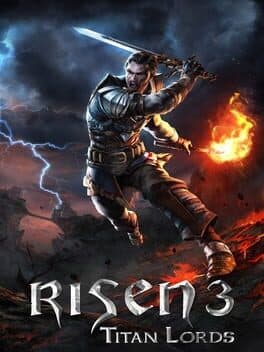
✓ Fits the third-person Action RPGs cluster, with deep RPG systems, action RPG combat and adventure storytelling
≠ Where it differs: brings strong narrative focus, open world exploration and fantasy world, while skipping precision platforming
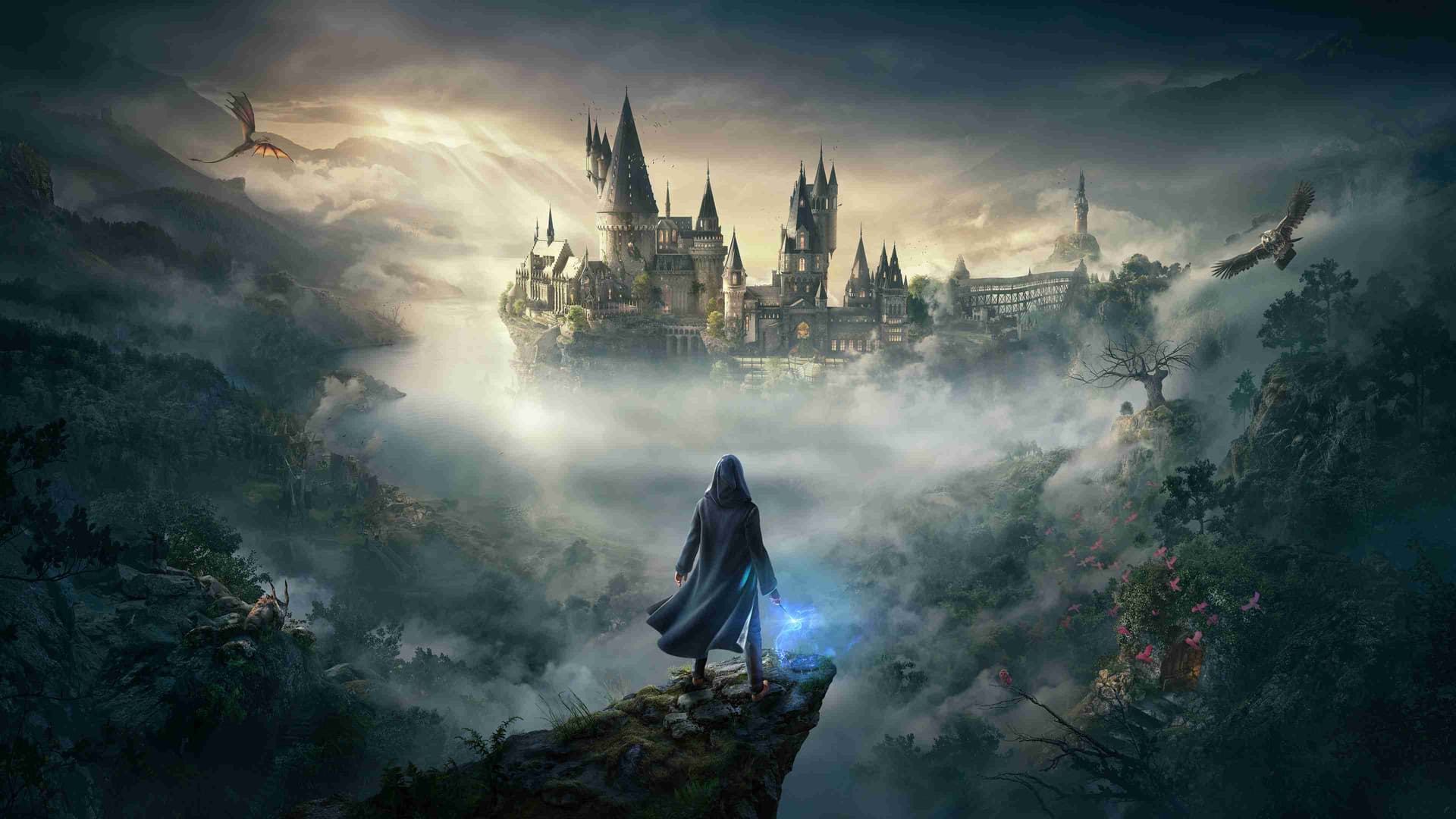
The castle is the achievement: densely built, worth exploring on its own terms, and full of small detail. Spell-chaining combat is more involved than expected. Outside it, the open world follows a familiar checklist of camps and puzzles, and the main story resolves in a rush that leaves several threads sitting unfinished.
Where it drifts furthest from Castlevania: setting.
Released 24 years after Castlevania.

✓ Nearly identical: deep RPG systems, action RPG combat and precision platforming.
≠ Missing: puzzle design.
Released 9 years after Castlevania.

✓ Fits the third-person Action RPGs cluster, with deep RPG systems, action RPG combat and precision platforming
≠ Its own twist: fantasy world, historical setting and setting mythology, while skipping puzzle design
Where it drifts furthest from Castlevania: setting and progression.
Released 8 years after Castlevania.

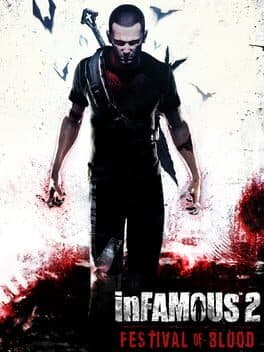
✓ Both are third-person Action RPGs — sharing deep RPG systems, action RPG combat and puzzle design
≠ Where it differs: brings open world exploration, while skipping precision platforming
Open-world traversal built around electricity: you climb, grind rails and fight in the same continuous motion, and it rarely asks you to stop moving. Combat stays readable even when the screen fills up. The karma system is the weak part — choices are signposted as obviously good or evil, so the moral framing lands flatter than the moment-to-moment play.
Released 12 years after Castlevania.

✓ Same family of third-person Action RPGs: deep RPG systems, action RPG combat and precision platforming
≠ Its own twist: setting scifi, while skipping puzzle design
Where it drifts furthest from Castlevania: setting.
Released 8 years after Castlevania.

✓ Same family of third-person Action RPGs: deep RPG systems, action RPG combat and adventure storytelling
≠ Where it differs: brings horror tension, strong narrative focus and open world exploration, while skipping puzzle design
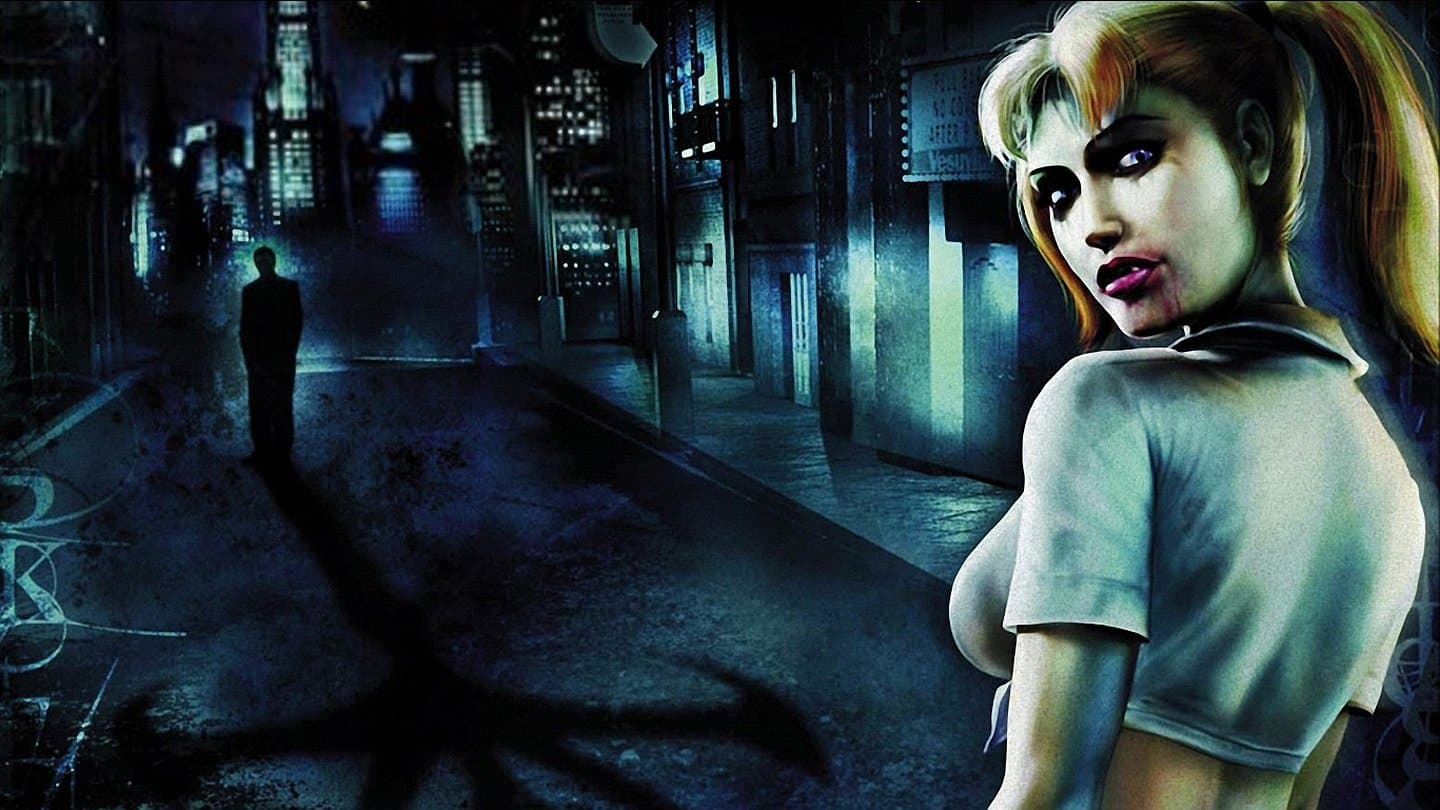
Vampire: The Masquerade – Bloodlines is a story-driven action-RPG based on table-top role-playing game Vampire: The Masquerade, the part of the World of Darkness franchise. The game is setting a gothic urban fantasy where vampires, werewolves, and other supernatural beings live secretly by humans.
Released 5 years after Castlevania.

✓ Same family of third-person Action RPGs: deep RPG systems, action RPG combat and adventure storytelling
≠ Its own twist: strong narrative focus, fantasy world and post-apocalyptic world, while skipping puzzle design
Released 4 years after Castlevania.

✓ Same family of third-person Action RPGs: deep RPG systems, action RPG combat and adventure storytelling
≠ Stands apart with survival mechanics, sandbox freedom and horror tension, while skipping puzzle design
Where it drifts furthest from Castlevania: progression.
Released 7 years after Castlevania.

✓ Both are third-person Action RPGs — sharing deep RPG systems, action RPG combat and adventure storytelling
≠ Its own twist: strong narrative focus, open world exploration and fantasy world, while skipping puzzle design
An old-school European RPG: three factions with genuinely different magic schools, a world that does not scale to your level, and exploration that rewards wandering into places you are not ready for. Combat is its weakest link — stiff, poorly telegraphed, and frustrating in the early hours before your character is competent at anything.
Where it drifts furthest from Castlevania: setting.
Released 15 years after Castlevania.

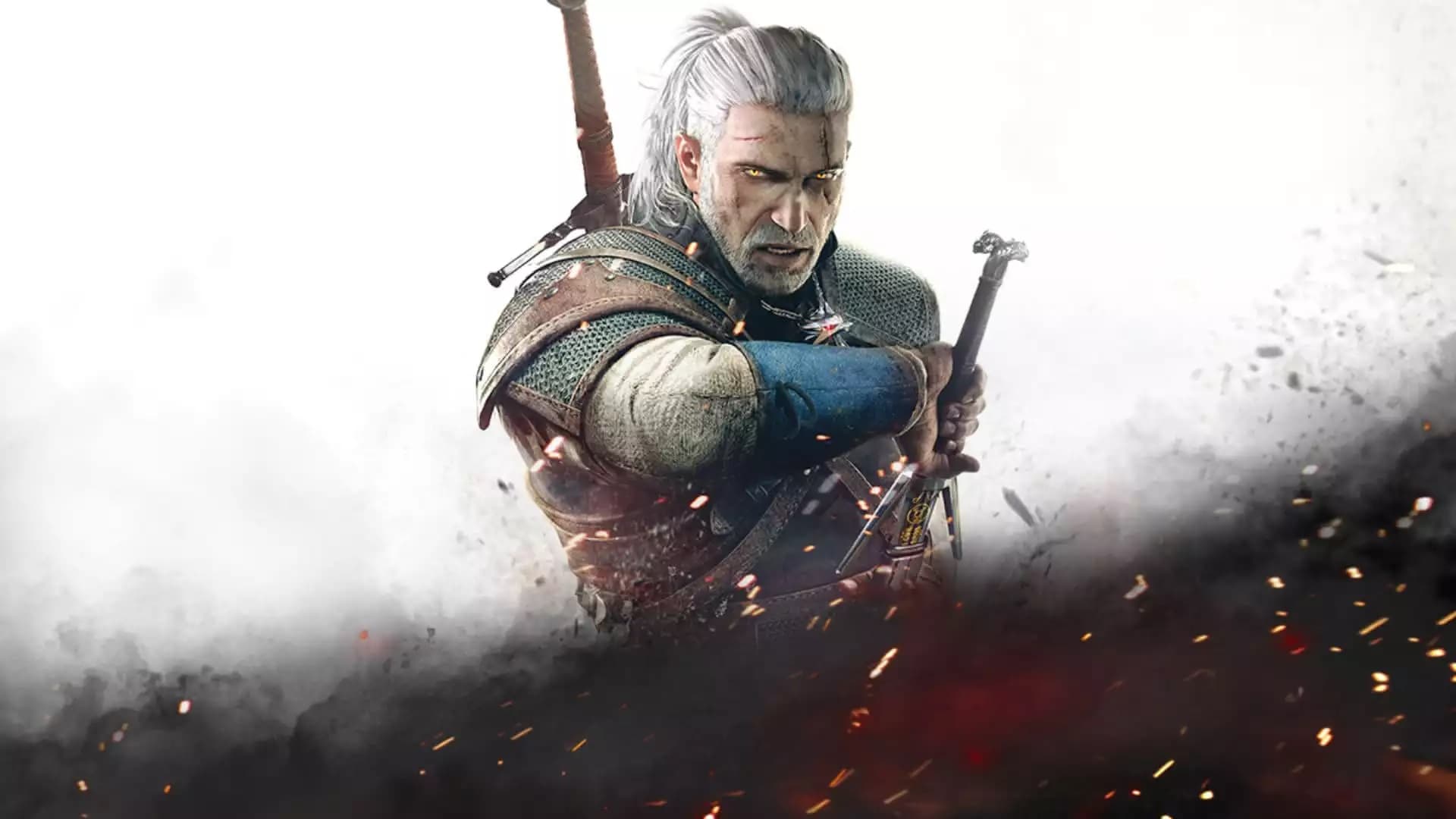
✓ Same family of third-person Action RPGs: deep RPG systems, action RPG combat and adventure storytelling
≠ Stands apart with strong narrative focus, open world exploration and fantasy world, while skipping puzzle design
The third game in a series, it holds nothing back from the player. Open world adventures of the renowned monster slayer Geralt of Rivia are now even on a larger scale.
Where it drifts furthest from Castlevania: setting.
Released 16 years after Castlevania.
The full catalog of games sharing gameplay DNA with Castlevania, ordered from highest to lowest similarity score. Use the filters above to narrow down by genre, setting or game mode and find the alternative that best fits your playstyle.

Castlevania: Lords of Shadow 2
RPG · Action RPG

Maneater
RPG · Action RPG

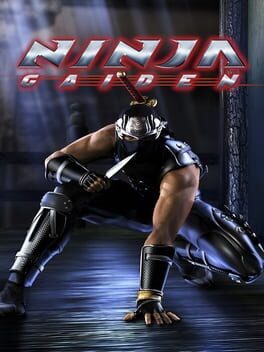
Ninja Gaiden
RPG · Action RPG

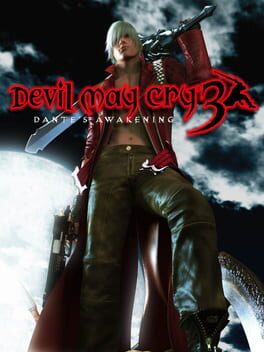
Devil May Cry 3: Dante's Awakening
RPG · Action RPG

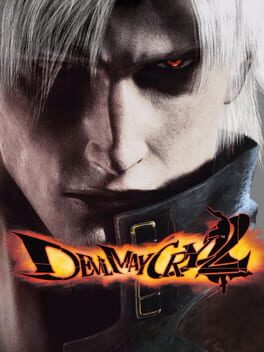
Devil May Cry 2
RPG · Action RPG

Onimusha: Warlords
RPG · Action RPG

Castlevania: Lament of Innocence
RPG · Action RPG

Rise of the Argonauts
RPG · Action RPG

X-Blades
RPG · Action RPG

Killer is Dead - Nightmare Edition
RPG · Action RPG

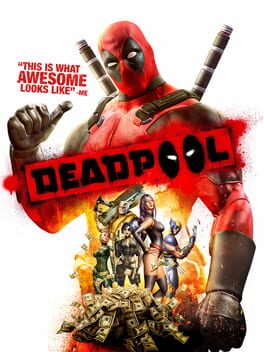
Deadpool
RPG · Action RPG

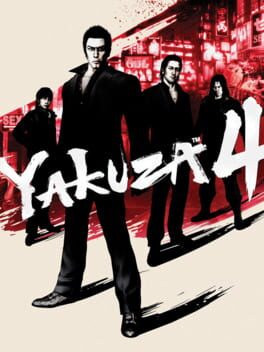
Yakuza 4
RPG · Action RPG

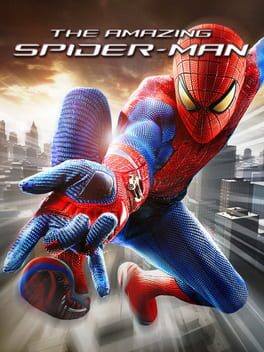
The Amazing Spider-Man
RPG · Action RPG

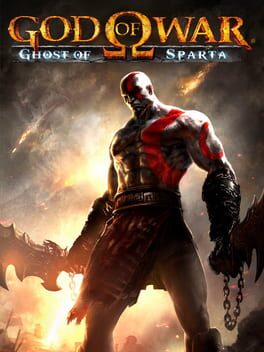
God of War: Ghost of Sparta
RPG · Action RPG

NINJA GAIDEN 4
RPG · Action RPG

Ninja Gaiden II
RPG · Action RPG

Spider-Man 2: Enter Electro
RPG · Action RPG

Spider-Man
RPG · Action RPG

God of War
RPG · Action RPG

Bayonetta 3
RPG · Action RPG

Devil May Cry
RPG · Action RPG

Zenless Zone Zero
RPG · Action RPG

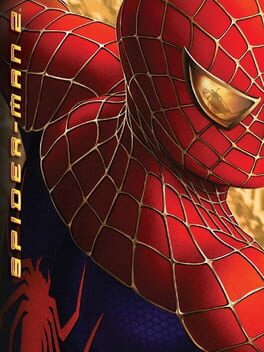
Spider-Man 2
RPG · Action RPG

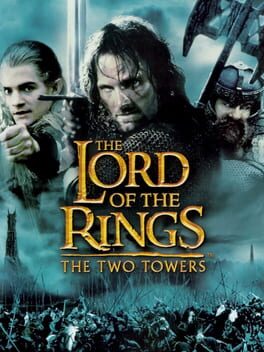
The Lord of the Rings: The Two Towers
RPG · Action RPG

Sonic and the Black Knight
RPG · Action RPG

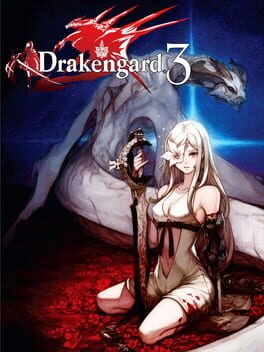
Drakengard 3
RPG · Action RPG

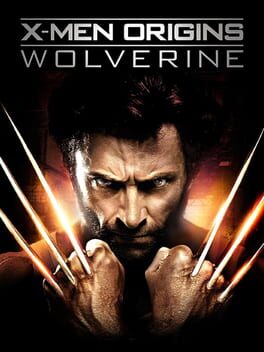
X-Men Origins: Wolverine
RPG · Action RPG

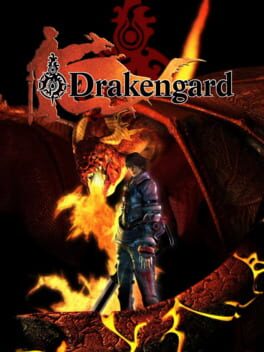
Drakengard
RPG · Action RPG

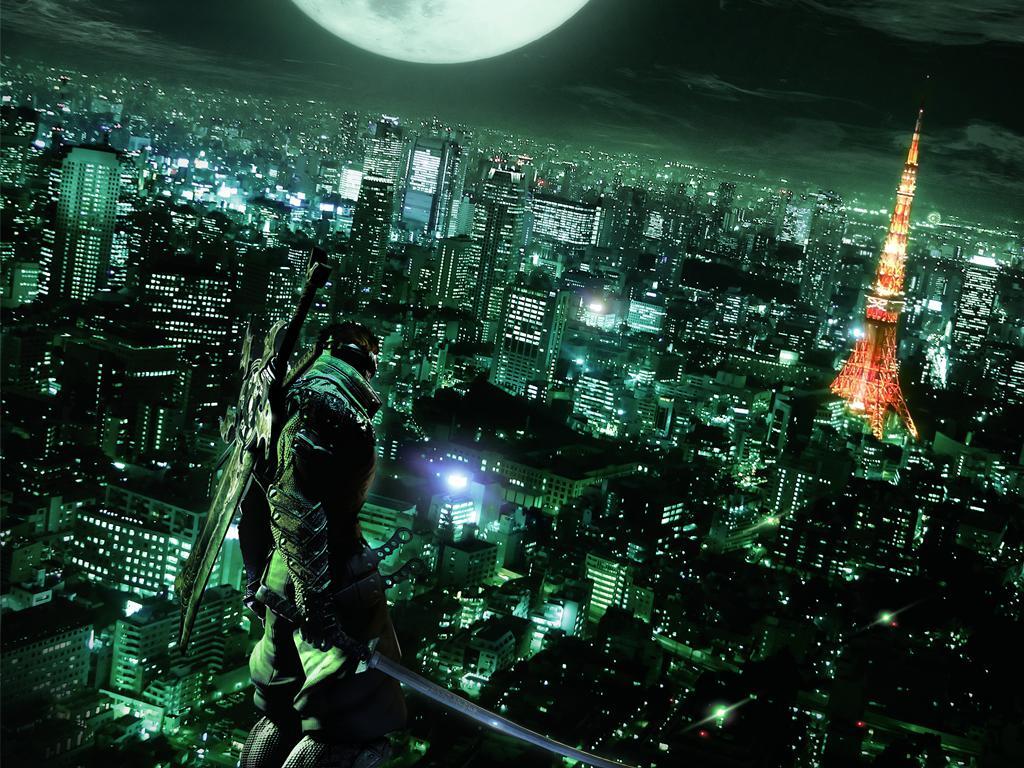
Ninja Blade
RPG · Action RPG

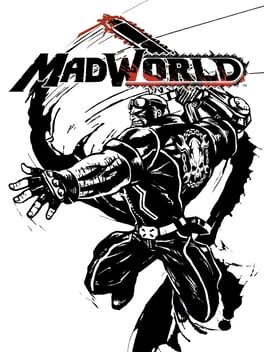
MadWorld
RPG · Action RPG

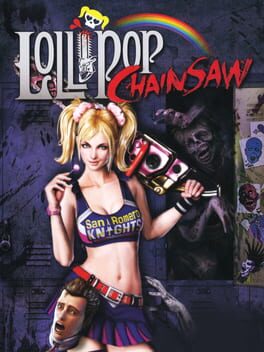
Lollipop Chainsaw
RPG · Action RPG

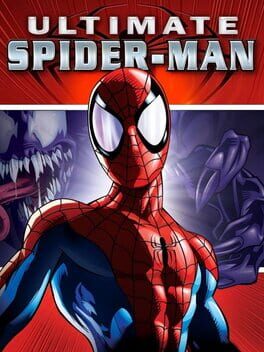
Ultimate Spider-Man
RPG · Action RPG

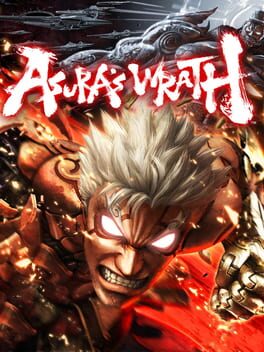
Asura's Wrath
RPG · Action RPG

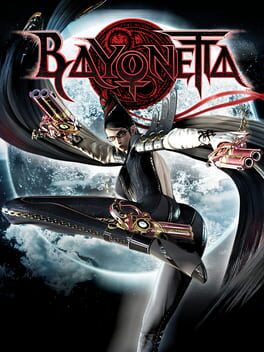
Bayonetta
Action RPG · Shooter

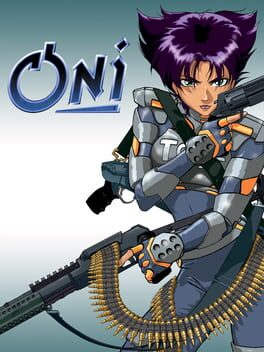
Oni
RPG · Action RPG