✓ Fits the third-person Action RPGs cluster, with deep RPG systems, action RPG combat and adventure storytelling
≠ Where it differs: brings sandbox freedom, sandbox world and historical setting, while skipping loot and gear systems

Games like Divinity II: Ego Draconis · Find similar →
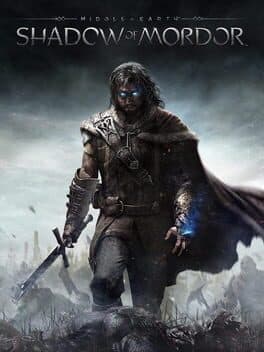
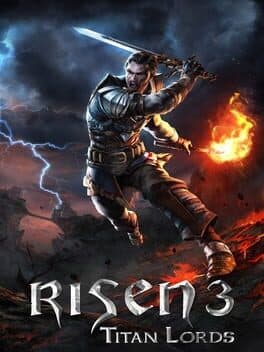
More about this game →We filtered the 50 games similar to Divinity II: Ego Draconis down to the 15 that fit the “Medieval” category. The Elder Scrolls IV: Oblivion, Middle-earth: Shadow of Mordor and Risen 3: Titan Lords top the list, ranked by affinity and similarity score to Divinity II: Ego Draconis.
Did you find what you were looking for?
Quick answer
Within the “Medieval” category, the closest game to Divinity II: Ego Draconis is The Elder Scrolls IV: Oblivion — scoring 95/100 on our similarity scale. Middle-earth: Shadow of Mordor and Risen 3: Titan Lords follow close behind.
Help us build the best rankings
Community poweredVote on each result below — good match or not. Every vote directly shapes how we rank similar games for everyone.
Handpicked by our similarity algorithm, these are the titles with the highest gameplay match to Divinity II: Ego Draconis. Each one has been evaluated across 16 real attributes — from combat style and progression mechanics to world structure and visual perspective — so every recommendation is based on how the game actually plays, not just its genre label.

✓ Fits the third-person Action RPGs cluster, with deep RPG systems, action RPG combat and adventure storytelling
≠ Where it differs: brings sandbox freedom, sandbox world and historical setting, while skipping loot and gear systems

✓ Fits the third-person Action RPGs cluster, with deep RPG systems, action RPG combat and adventure storytelling
≠ Where it differs: brings sandbox freedom, sandbox world and stealth mechanics
Released 5 years after Divinity II: Ego Draconis.

✓ Nearly identical: deep RPG systems, action RPG combat and adventure storytelling.
≠ Missing: ranged combat.
An old-school European RPG: three factions with genuinely different magic schools, a world that does not scale to your level, and exploration that rewards wandering into places you are not ready for. Combat is its weakest link — stiff, poorly telegraphed, and frustrating in the early hours before your character is competent at anything.
On reception: its Steam reviews are mostly positive, against very positive for Divinity II: Ego Draconis.
Released 5 years after Divinity II: Ego Draconis.

✓ Nearly identical: deep RPG systems, action RPG combat and adventure storytelling.
≠ Missing: ranged combat.
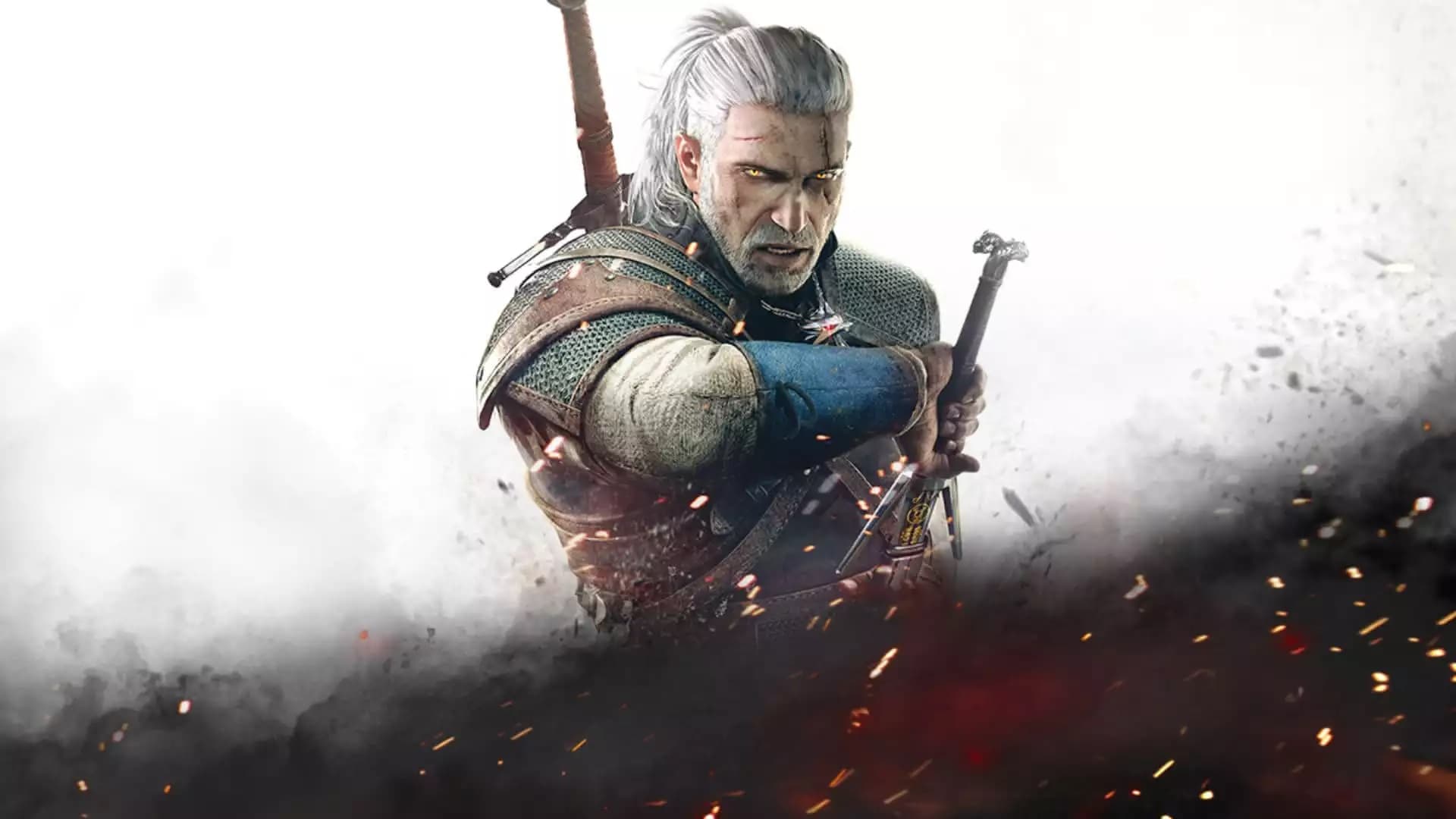
The third game in a series, it holds nothing back from the player. Open world adventures of the renowned monster slayer Geralt of Rivia are now even on a larger scale.
Released 6 years after Divinity II: Ego Draconis.

✓ Fits the third-person Action RPGs cluster, with deep RPG systems, action RPG combat and adventure storytelling
≠ Its own twist: punishing difficulty, stealth mechanics and historical setting
It predates Divinity II: Ego Draconis by 8 years, with what that implies technically.

✓ Both are third-person Action RPGs — sharing deep RPG systems, action RPG combat and adventure storytelling
≠ Its own twist: sandbox freedom, sandbox world and procedural generation, while skipping loot and gear systems
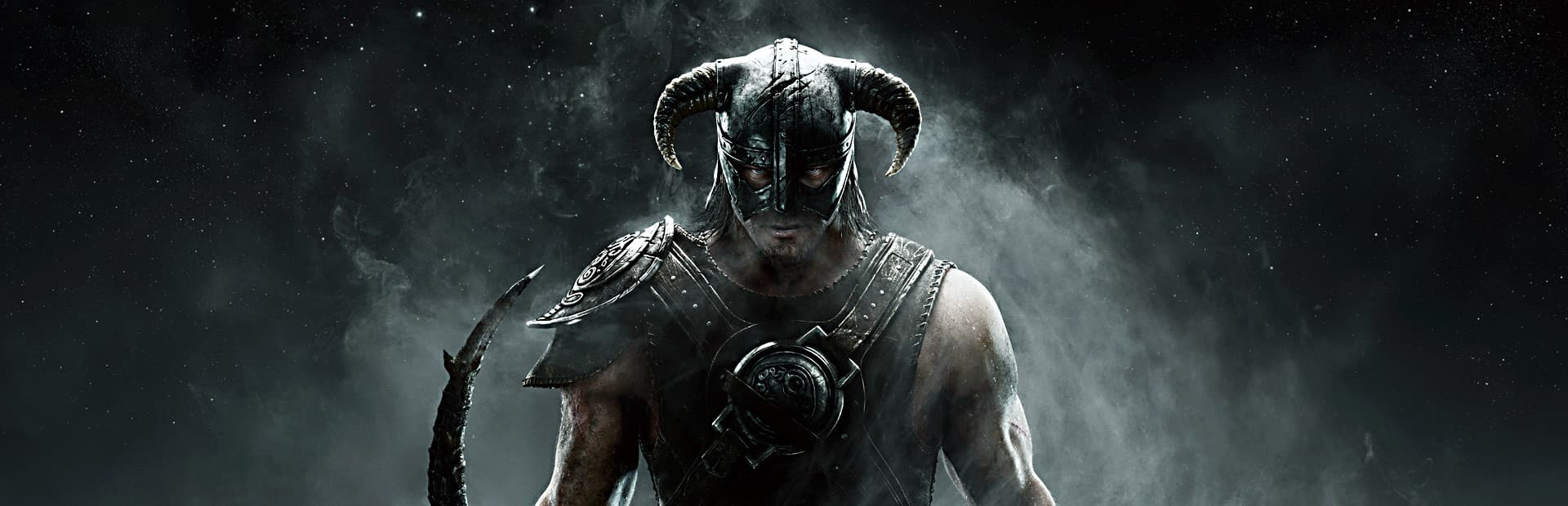
The fifth game in the series, Skyrim takes us on a journey through the coldest region of Cyrodiil. Once again player can traverse the open world RPG armed with various medieval weapons and magic, to become a hero of Nordic legends –Dovahkiin, the Dragonborn.

✓ Both are third-person Action RPGs — sharing deep RPG systems, action RPG combat and adventure storytelling
≠ Its own twist: stealth mechanics, historical setting and crafting mechanics, while skipping strong narrative focus
A Gothic sequel by a different studio that traded the series' hostile, systems-heavy world for a conventional open-world action RPG with accessible combat and a clear quest structure. Taken on its own terms it is a competent, slightly janky European RPG. Taken as Gothic it is widely rejected, and the PC build still has unresolved resolution and display bugs on current Windows.
On reception: its Steam reviews are mixed, against very positive for Divinity II: Ego Draconis.

✓ Same family of third-person Action RPGs: deep RPG systems, action RPG combat and adventure storytelling
≠ Where it differs: brings Metroidvania exploration and horror setting, while skipping combat magic
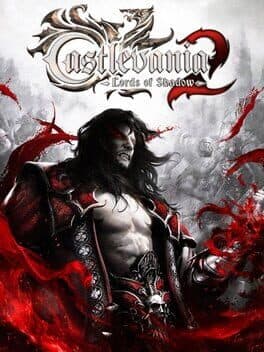
The close of the Lords of Shadow trilogy, alternating a weakened Dracula between his castle and a modern city, with the same weighty whip combat as the first game plus magic and platforming. Its reputation is deserved in one specific way: the modern-city stealth sections are widely disliked, and the game is poor at signposting where to go or what an acquired item is for.
Where it drifts furthest from Divinity II: Ego Draconis: combat.
Released 5 years after Divinity II: Ego Draconis.

✓ Fits the third-person Action RPGs cluster, with deep RPG systems, action RPG combat and adventure storytelling
≠ Its own twist: historical setting, while skipping strong narrative focus
On reception: its Steam reviews are mostly positive, against very positive for Divinity II: Ego Draconis.

✓ Fits the third-person Action RPGs cluster, with deep RPG systems, adventure storytelling and strong narrative focus
≠ Stands apart with sandbox freedom, sandbox world and historical setting, while skipping action RPG combat

✓ Fits the third-person Action RPGs cluster, with deep RPG systems, adventure storytelling and dark, oppressive atmosphere
≠ Its own twist: punishing difficulty and crafting mechanics, while skipping action RPG combat
Tighter and far more focused than what followed: combat demands preparation and punishes mashing, and the second act splits into two genuinely different paths depending on one choice. The opening hours are the steepest in the series — the tutorial explains little, alchemy and signs are easy to ignore until they suddenly become mandatory.

✓ Both are third-person Action RPGs — sharing deep RPG systems, action RPG combat and adventure storytelling
≠ Where it differs: brings horror setting, while skipping strong narrative focus

✓ Fits the third-person Action RPGs cluster, with deep RPG systems, action RPG combat and adventure storytelling
≠ Where it differs: brings historical setting, while skipping strong narrative focus
A level-based hack-and-slash built around three characters with genuinely different movesets and an upgrade system tied to combo scoring. It cuts between film footage and play well for its era. It is short and entirely linear — a handful of hours, no exploration, and boss fights that come down to memorising a single pattern.

✓ Fits the third-person Action RPGs cluster, with deep RPG systems, action RPG combat and adventure storytelling
≠ Where it differs: brings puzzle design, precision platforming and horror setting, while skipping strong narrative focus
Released 10 years after Divinity II: Ego Draconis.