✓ Same family of isometric Action RPGs: deep RPG systems, action RPG combat and survival mechanics
≠ Stands apart with adventure storytelling, horror tension and open world exploration, while skipping shooter
Released 3 years after Dead Nation.

Games like Dead Nation · Find similar →
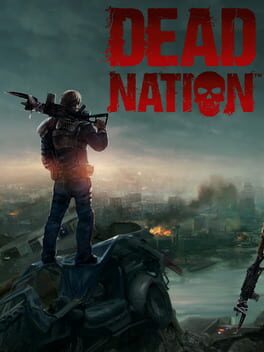
More about this game →We filtered the 50 games similar to Dead Nation down to the 15 that fit the “Horror” category. How to Survive, Zombies Ate My Neighbors and Grim Dawn top the list, ranked by affinity and similarity score to Dead Nation.
Did you find what you were looking for?
Quick answer
Within the “Horror” category, the closest game to Dead Nation is How to Survive — scoring 79/100 on our similarity scale. Zombies Ate My Neighbors and Grim Dawn follow close behind.
Help us build the best rankings
Community poweredVote on each result below — good match or not. Every vote directly shapes how we rank similar games for everyone.
Handpicked by our similarity algorithm, these are the titles with the highest gameplay match to Dead Nation. Each one has been evaluated across 13 real attributes — from combat style and progression mechanics to world structure and visual perspective — so every recommendation is based on how the game actually plays, not just its genre label.

✓ Same family of isometric Action RPGs: deep RPG systems, action RPG combat and survival mechanics
≠ Stands apart with adventure storytelling, horror tension and open world exploration, while skipping shooter
Released 3 years after Dead Nation.
✓ Fits the isometric Action RPGs cluster, with deep RPG systems, action RPG combat and shooter
≠ Its own twist: multiplayer gameplay, while skipping survival mechanics
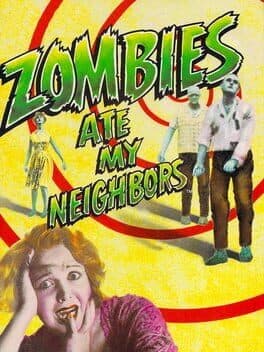
A top-down survival game about rescuing victims before monsters reach them, built for two players and much better that way. Weapons are improvised and scarce. It is genuinely hard in an unforgiving arcade sense — limited continues, no map, and later levels where finding the last neighbour eats more time than surviving does.
It predates Dead Nation by 17 years, with what that implies technically.

✓ Both are isometric Action RPGs — sharing deep RPG systems, action RPG combat and dark, oppressive atmosphere
≠ Stands apart with adventure storytelling, open world exploration and melee combat, while skipping shooter
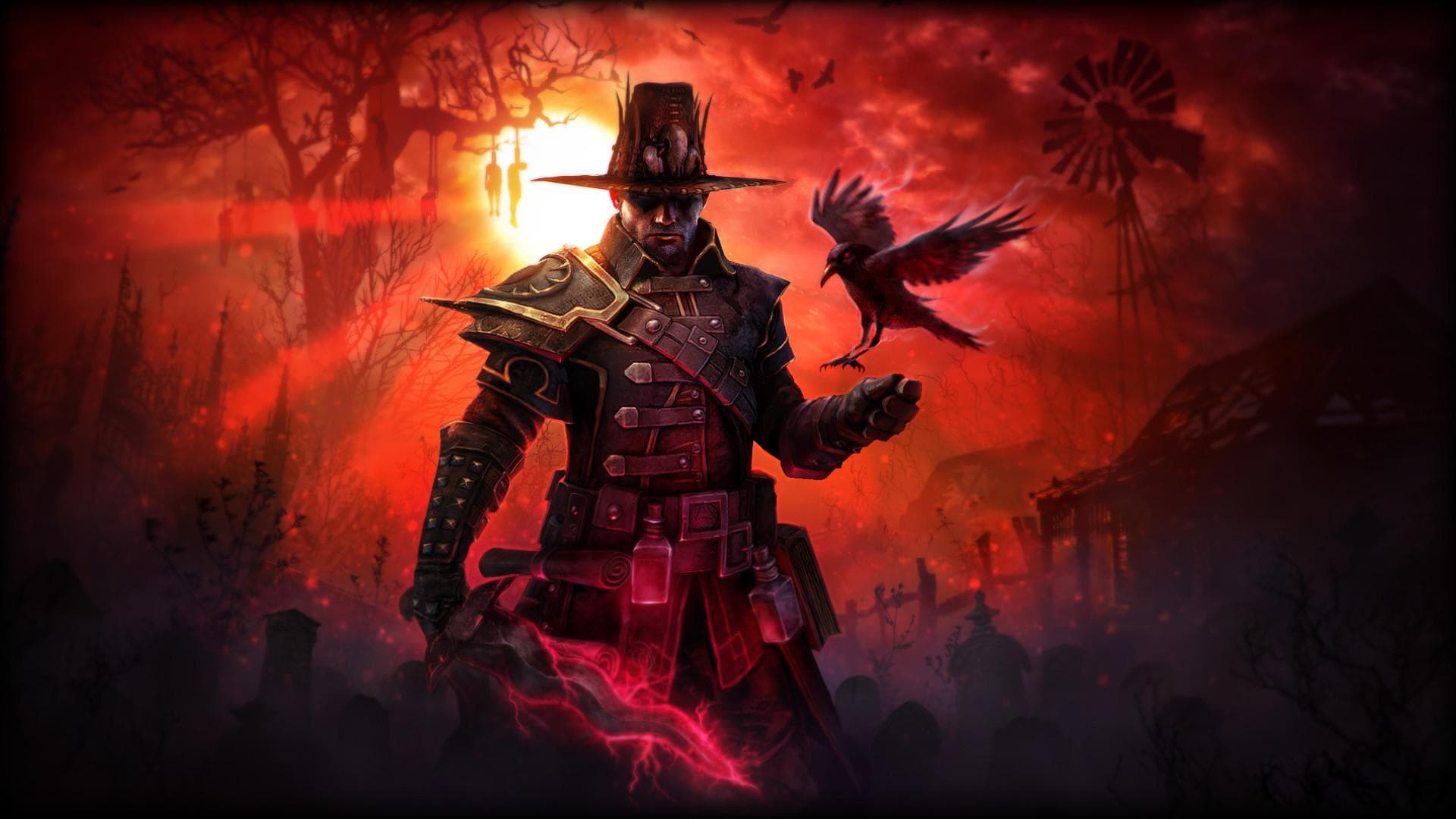
A dark, grounded action RPG whose dual-class system lets you combine any two masteries into a build the game did not anticipate, with a constellation layer on top and a world closer to grim fiction than high fantasy. It is the most-recommended alternative when Diablo disappoints. Recent expansions added one-shot boss mechanics and dodge-roll timing that long-time players argue works against the build-driven design.
Released 6 years after Dead Nation.

✓ Same family of isometric Action RPGs: deep RPG systems, survival mechanics and dark, oppressive atmosphere
≠ Its own twist: adventure storytelling, sandbox freedom and horror tension, while skipping action RPG combat
Released 3 years after Dead Nation.

✓ Same family of isometric Action RPGs: deep RPG systems, action RPG combat and dark, oppressive atmosphere
≠ Stands apart with adventure storytelling, tower defense planning and punishing difficulty, while skipping shooter
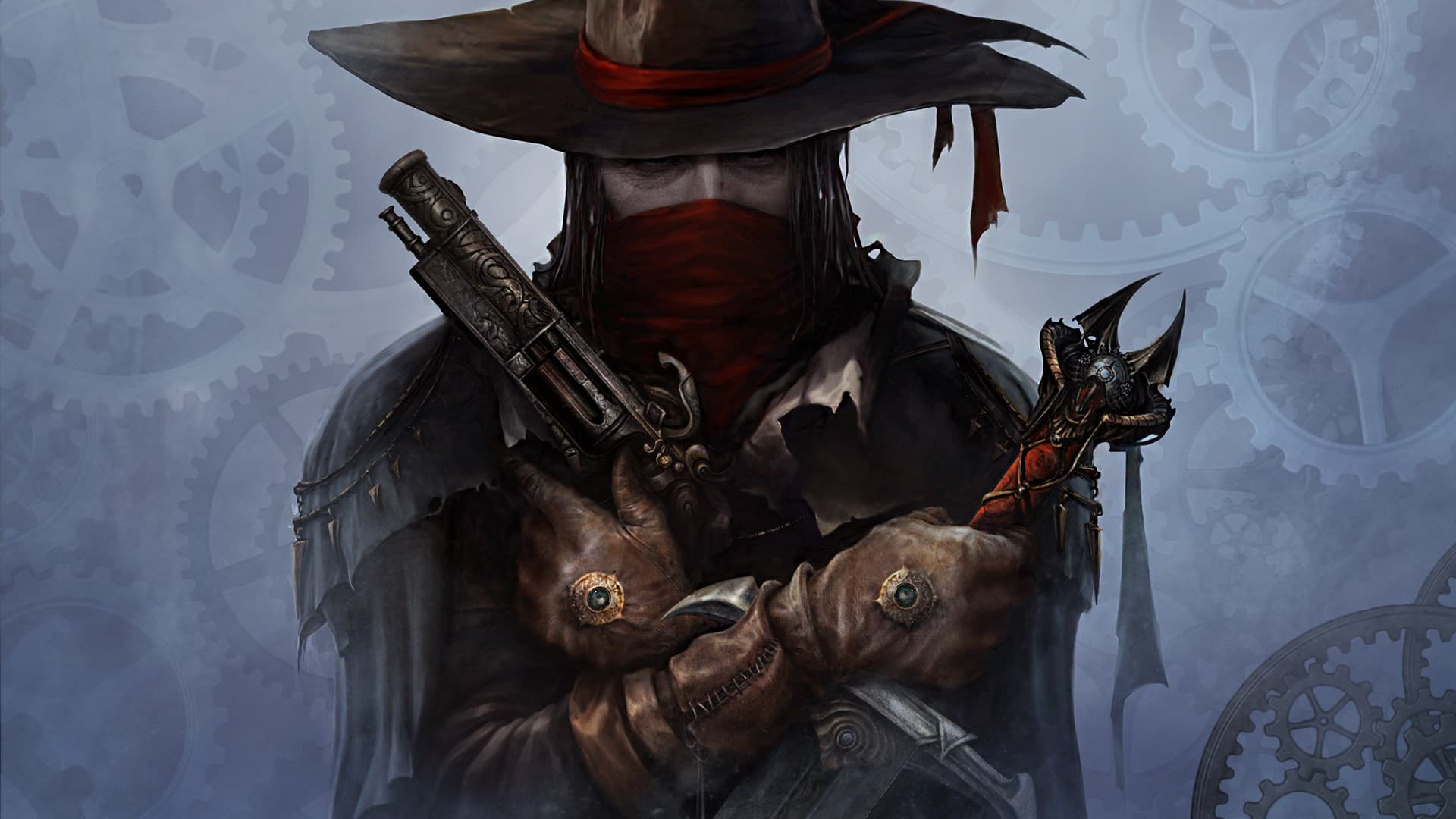
An isometric action RPG with a gothic, faintly comic tone, carried by the running commentary between Van Helsing and his ghostly companion Katarina, who is also a functional part of your build. The atmosphere and writing lift it above the usual Diablo clone. Build variety is where it runs out — few late-game specs are viable, so experimentation quietly funnels you back to the obvious ones.
Released 3 years after Dead Nation.

✓ Same family of isometric Action RPGs: deep RPG systems, action RPG combat and dark, oppressive atmosphere
≠ Its own twist: strong narrative focus, melee combat and combat magic, while skipping shooter
The latest isometric action RPG featuring dark gothic atmosphere and loot-driven gameplay.
Where it drifts furthest from Dead Nation: setting.
Released 13 years after Dead Nation.

✓ Fits the isometric Action RPGs cluster, with deep RPG systems, action RPG combat and dark, oppressive atmosphere
≠ Its own twist: adventure storytelling, MMO world and community and horror tension, while skipping shooter
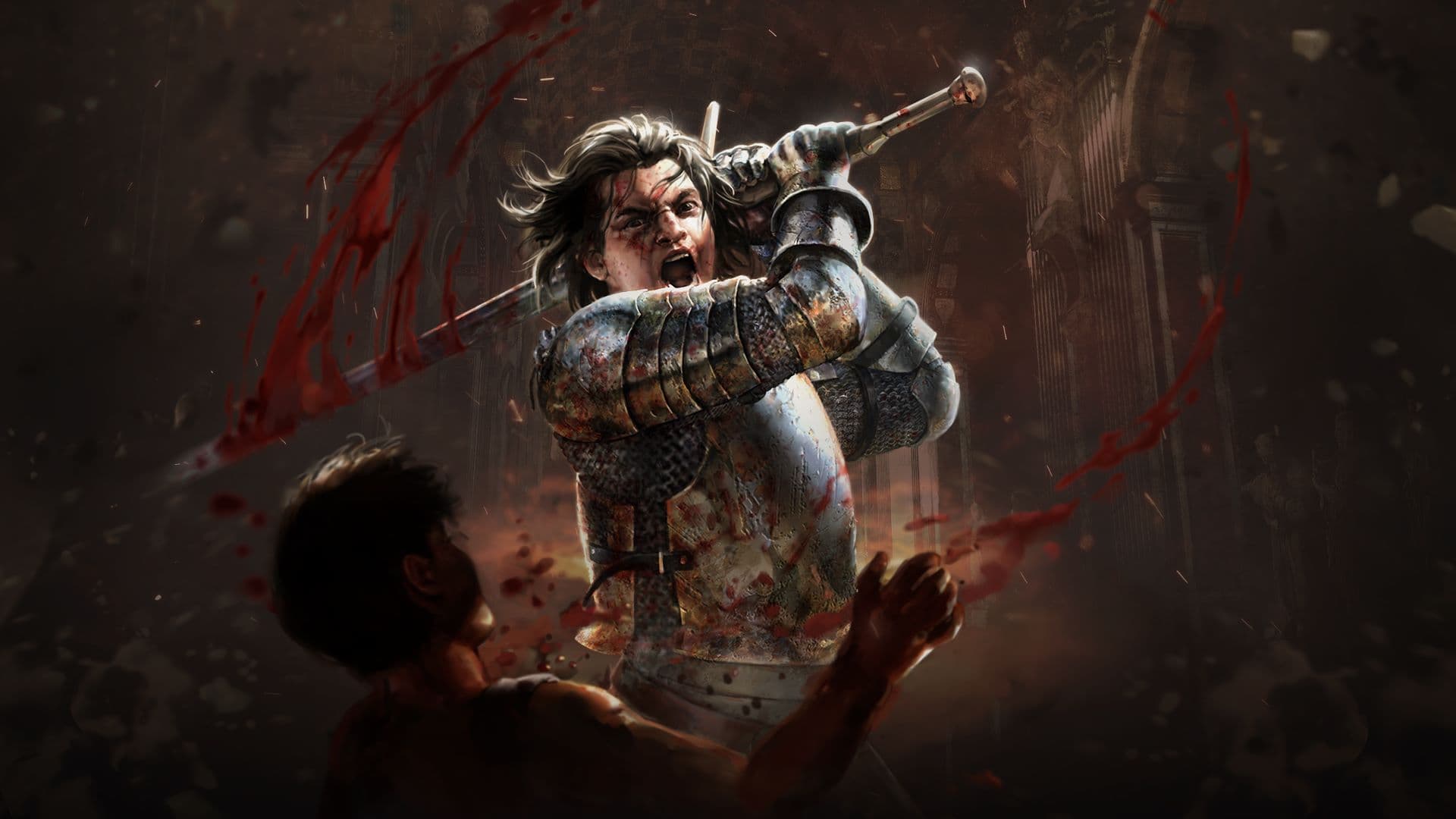
Path of Exile is inspired by Diablo II and follows it basically in most of the aspects. Randomly filled pre-set of locations, heavy grind and a possibility of replaying most of the areas leaves us with only one possible outcome. Players wake up on grim shores of Wraeclast.
Where it drifts furthest from Dead Nation: setting.
Released 3 years after Dead Nation.

✓ Both are isometric Action RPGs — sharing deep RPG systems, action RPG combat and dark, oppressive atmosphere
≠ Stands apart with strong narrative focus, combat magic and melee combat, while skipping shooter
Where it drifts furthest from Dead Nation: setting.
It predates Dead Nation by 10 years, with what that implies technically.

✓ Fits the isometric Action RPGs cluster, with deep RPG systems, action RPG combat and dark, oppressive atmosphere
≠ Stands apart with adventure storytelling, strong narrative focus and fantasy world, while skipping shooter
The most immediately readable action RPG of its generation: abilities are swappable at will, combat is fast and legible, and the seasonal loop is well tuned. That flexibility is also the criticism — builds are largely decided by set bonuses, so character identity comes from gear drops rather than from choices you make.
Where it drifts furthest from Dead Nation: setting and progression.

✓ Fits the isometric Action RPGs cluster, with deep RPG systems, action RPG combat and dark, oppressive atmosphere
≠ Stands apart with MMO world and community, adventure storytelling and horror tension, while skipping shooter
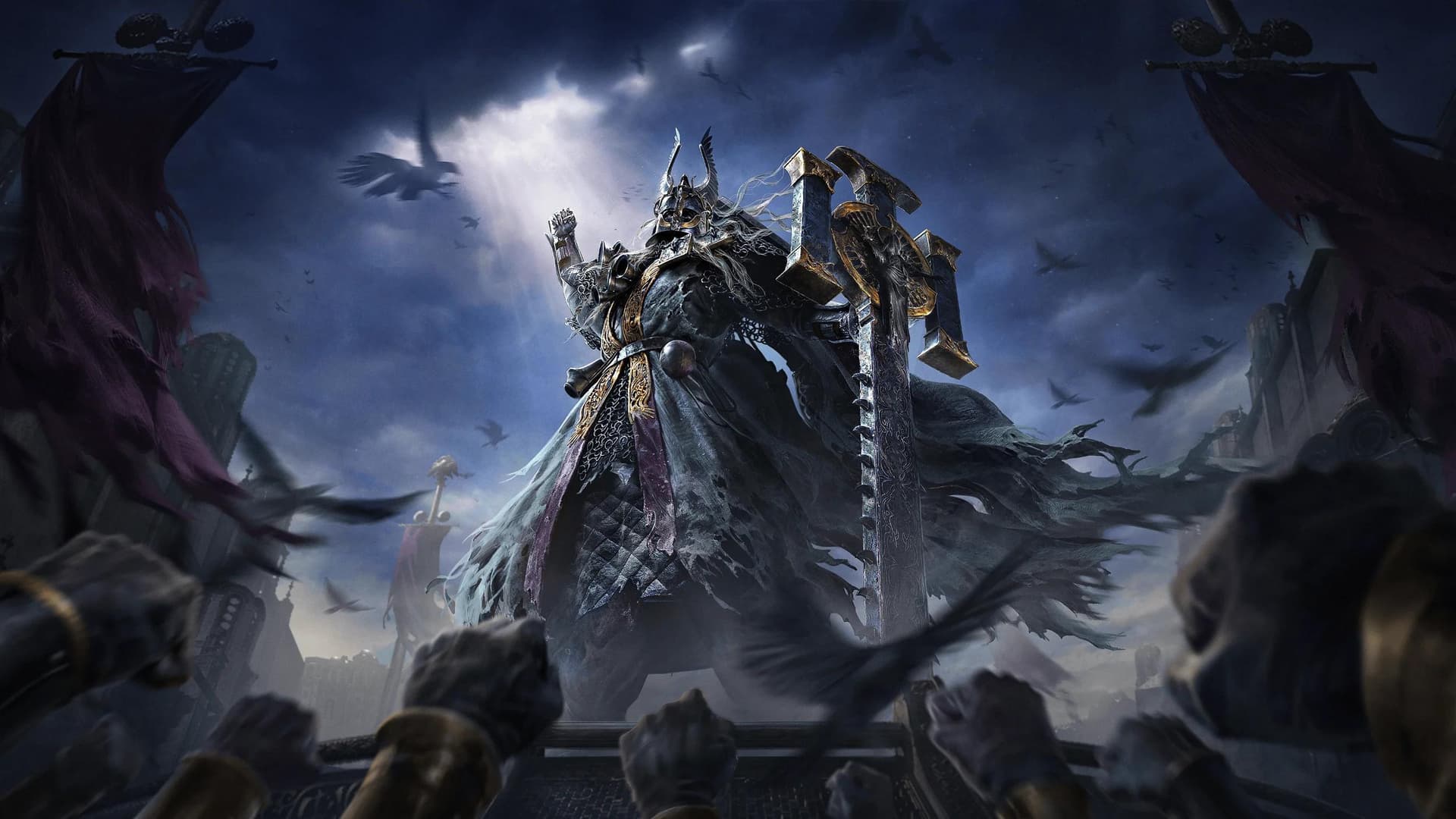
Path of Exile 2 is a new seven-act storyline that is available alongside the original Path of Exile 1 campaign. ... Path of Exile 2 retains all expansion content that has been created over the last six years and introduces a new skill system, ascendancy classes, engine improvements and more.
Where it drifts furthest from Dead Nation: setting.
Released 14 years after Dead Nation.

✓ Both are isometric Action RPGs — sharing deep RPG systems, dark, oppressive atmosphere and horror setting
≠ Its own twist: roguelike runs, procedural generation and combat magic, while skipping action RPG combat
Where it drifts furthest from Dead Nation: setting.
It predates Dead Nation by 14 years, with what that implies technically.

✓ Same family of isometric Action RPGs: deep RPG systems, action RPG combat and dark, oppressive atmosphere
≠ Its own twist: adventure storytelling, combat magic and fantasy world, while skipping shooter
Where it drifts furthest from Dead Nation: setting and game mode.
It predates Dead Nation by 14 years, with what that implies technically.

✓ Both are isometric Action RPGs — sharing deep RPG systems, survival mechanics and dark, oppressive atmosphere
≠ Where it differs: brings turn-based strategy, vibe casual and strong narrative focus, while skipping action RPG combat
Where it drifts furthest from Dead Nation: tone and setting.
Released 4 years after Dead Nation.

✓ Both are isometric Action RPGs — sharing deep RPG systems, survival mechanics and dark, oppressive atmosphere
≠ Its own twist: horror tension, adventure storytelling and strong narrative focus, while skipping action RPG combat
Where it drifts furthest from Dead Nation: progression and game mode.
Released 7 years after Dead Nation.
✓ Same family of isometric Action RPGs: deep RPG systems, dark, oppressive atmosphere and horror setting
≠ Its own twist: turn-based strategy, strong narrative focus and combat magic, while skipping action RPG combat
Where it drifts furthest from Dead Nation: setting and game mode.
It predates Dead Nation by 11 years, with what that implies technically.