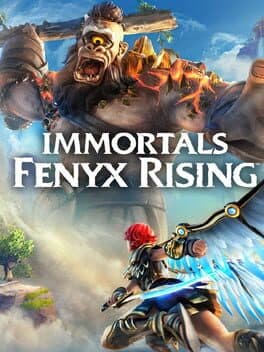
✓ Both are third-person Action RPGs — sharing deep RPG systems, action RPG combat and adventure storytelling
≠ Its own twist: puzzle design, strong narrative focus and open world exploration
Released 12 years after Rise of the Argonauts.

Games like Rise of the Argonauts · Find similar →
More about this game →We filtered the 50 games similar to Rise of the Argonauts down to the 13 that fit the “Xbox” category. Immortals Fenyx Rising, Prince of Persia: The Forgotten Sands and Hellblade: Senua's Sacrifice top the list, ranked by affinity and similarity score to Rise of the Argonauts.
Did you find what you were looking for?
Quick answer
Within the “Xbox” category, the closest game to Rise of the Argonauts is Immortals Fenyx Rising — scoring 93/100 on our similarity scale. Prince of Persia: The Forgotten Sands and Hellblade: Senua's Sacrifice follow close behind.
Help us build the best rankings
Community poweredVote on each result below — good match or not. Every vote directly shapes how we rank similar games for everyone.
Handpicked by our similarity algorithm, these are the titles with the highest gameplay match to Rise of the Argonauts. Each one has been evaluated across 10 real attributes — from combat style and progression mechanics to world structure and visual perspective — so every recommendation is based on how the game actually plays, not just its genre label.

✓ Both are third-person Action RPGs — sharing deep RPG systems, action RPG combat and adventure storytelling
≠ Its own twist: puzzle design, strong narrative focus and open world exploration
Released 12 years after Rise of the Argonauts.

✓ Fits the third-person Action RPGs cluster, with deep RPG systems, action RPG combat and adventure storytelling
≠ Stands apart with precision platforming, dark, oppressive atmosphere and loot and gear systems, while skipping combat magic
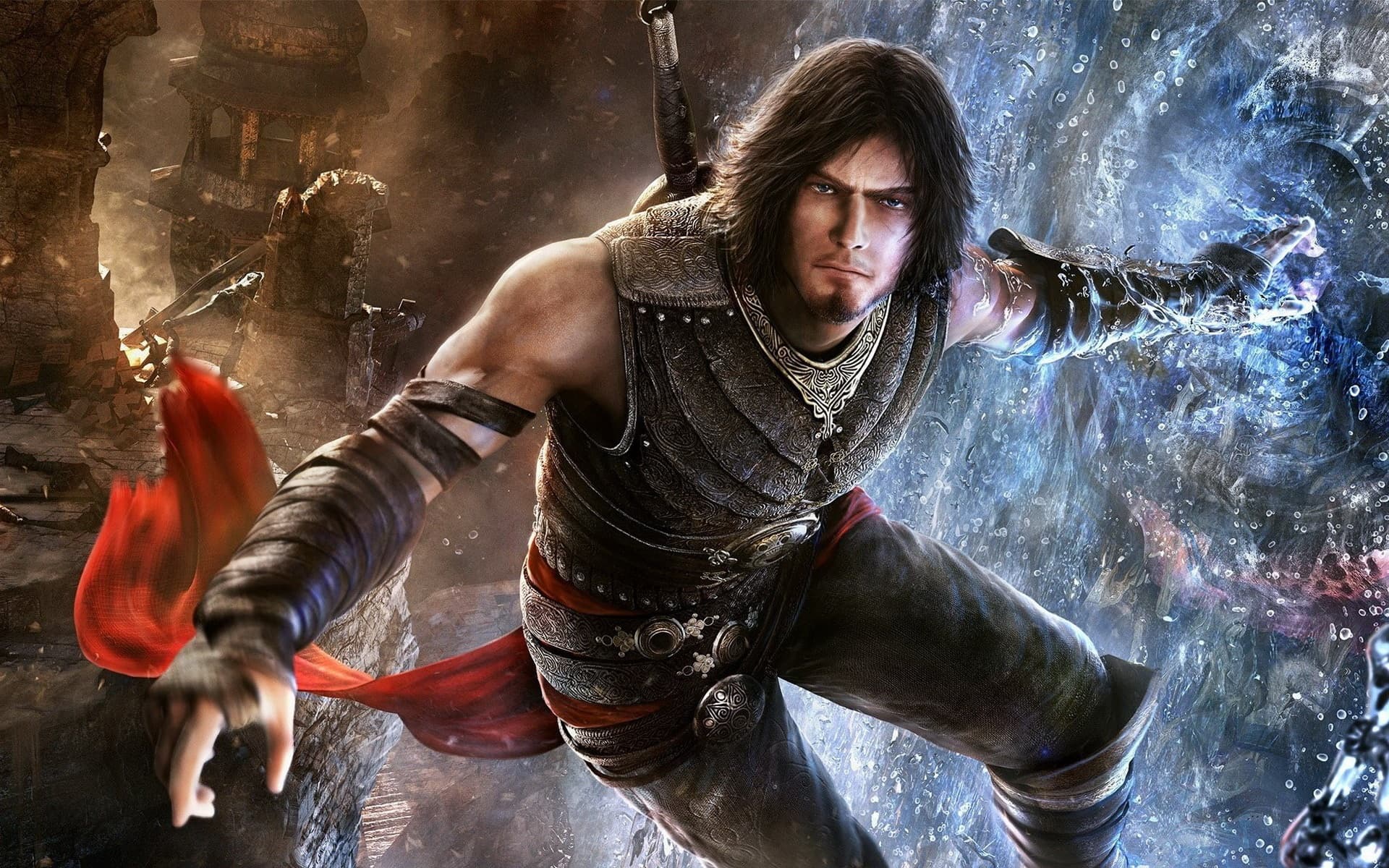
Prince of Persia: The Forgotten Sands is an action-adventure third-person game developed by Ubisoft Montreal. It is the direct sequel to Prince of Persia: The Two Thrones. ###Plot The Prince decides to visit the kingdom of his elder brother Malik to train in martial arts.

✓ Fits the third-person Action RPGs cluster, with deep RPG systems, action RPG combat and adventure storytelling
≠ Its own twist: deep simulation, horror tension and strong narrative focus, while skipping combat magic
Released 9 years after Rise of the Argonauts.

✓ Fits the third-person Action RPGs cluster, with deep RPG systems, action RPG combat and adventure storytelling
≠ Where it differs: brings puzzle design, strong narrative focus and dark, oppressive atmosphere, while skipping historical setting
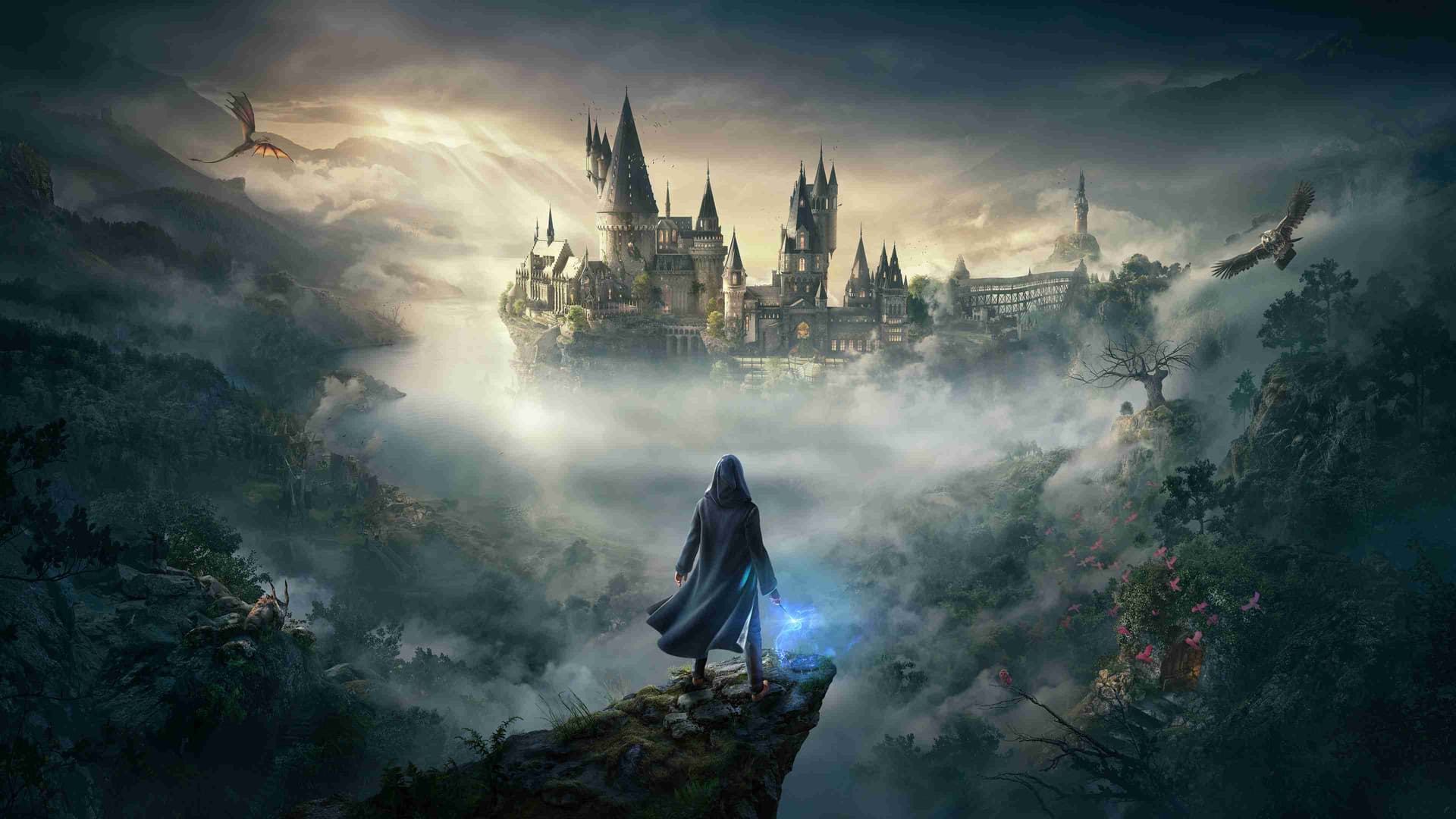
The castle is the achievement: densely built, worth exploring on its own terms, and full of small detail. Spell-chaining combat is more involved than expected. Outside it, the open world follows a familiar checklist of camps and puzzles, and the main story resolves in a rush that leaves several threads sitting unfinished.
Where it drifts furthest from Rise of the Argonauts: setting.
Released 15 years after Rise of the Argonauts.

✓ Both are third-person Action RPGs — sharing deep RPG systems, action RPG combat and adventure storytelling
≠ Where it differs: brings strong narrative focus, dark, oppressive atmosphere and open world exploration, while skipping historical setting
A mid-budget RPG with a colonial-era setting that is genuinely unusual, and diplomacy that can resolve most quests without combat if you invest in it. Faction reputation matters. Production values show the budget — environments repeat heavily between regions, animation is stiff, and combat never becomes more than adequate.
Where it drifts furthest from Rise of the Argonauts: setting.
Released 11 years after Rise of the Argonauts.

✓ Fits the third-person Action RPGs cluster, with deep RPG systems, action RPG combat and adventure storytelling
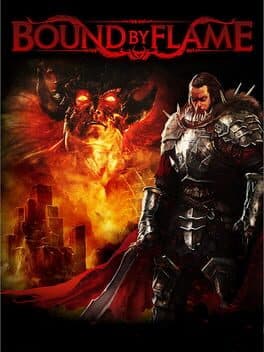
≠ Its own twist: dark, oppressive atmosphere, strong narrative focus and punishing difficulty, while skipping historical setting
Where it drifts furthest from Rise of the Argonauts: setting.
On reception: its Steam reviews are mixed, against mostly positive for Rise of the Argonauts.
Released 6 years after Rise of the Argonauts.

✓ Same family of third-person Action RPGs: deep RPG systems, action RPG combat and adventure storytelling
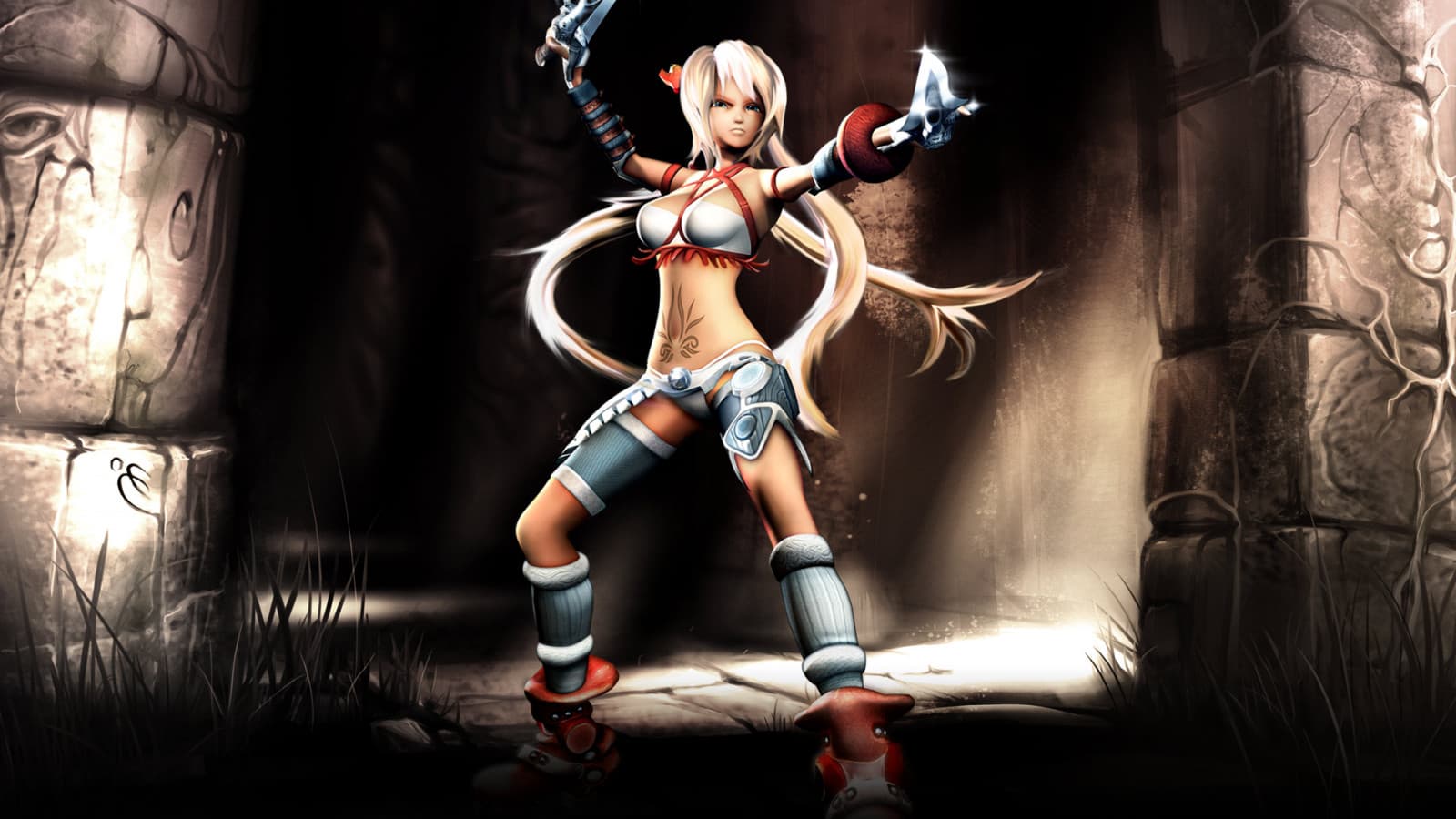
≠ Where it differs: brings shooter, third-person shooting and setting anime, while skipping historical setting
X-Blades is a hack and slash game in the fantasy setting. It follows Ayumi, a young adventurer that uses two pistol-blades. One day she was cursed and now needs to find the way to break free from it. You take on the role of Ayumi and lead her through hordes of monster towards the secrets of her world.
Where it drifts furthest from Rise of the Argonauts: setting.
On reception: its Steam reviews are mixed, against mostly positive for Rise of the Argonauts.

✓ Same family of third-person Action RPGs: deep RPG systems, action RPG combat and adventure storytelling
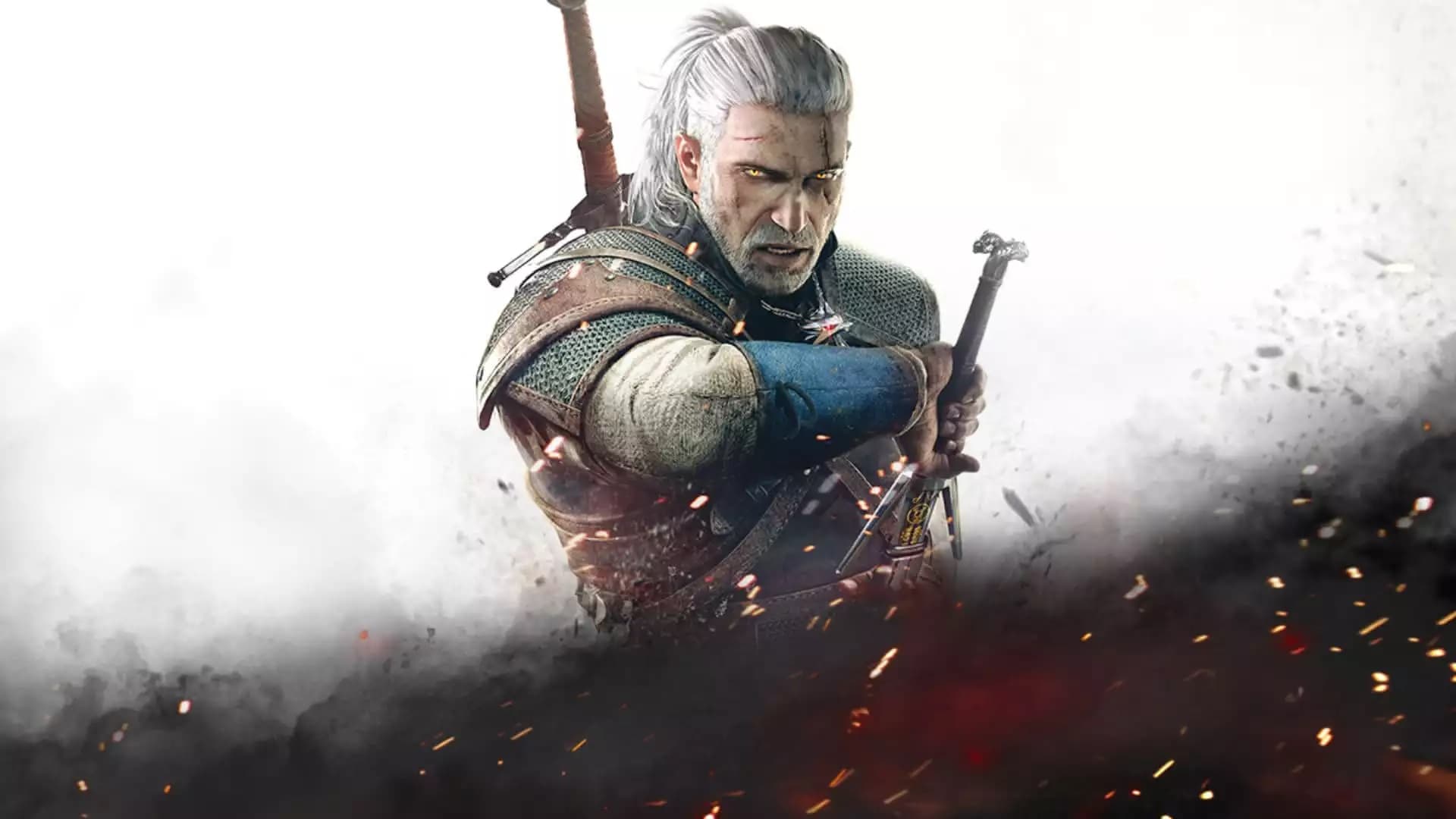
≠ Stands apart with strong narrative focus, dark, oppressive atmosphere and open world exploration, while skipping historical setting
The third game in a series, it holds nothing back from the player. Open world adventures of the renowned monster slayer Geralt of Rivia are now even on a larger scale.
Where it drifts furthest from Rise of the Argonauts: setting.
Released 7 years after Rise of the Argonauts.

✓ Fits the third-person Action RPGs cluster, with deep RPG systems, action RPG combat and adventure storytelling
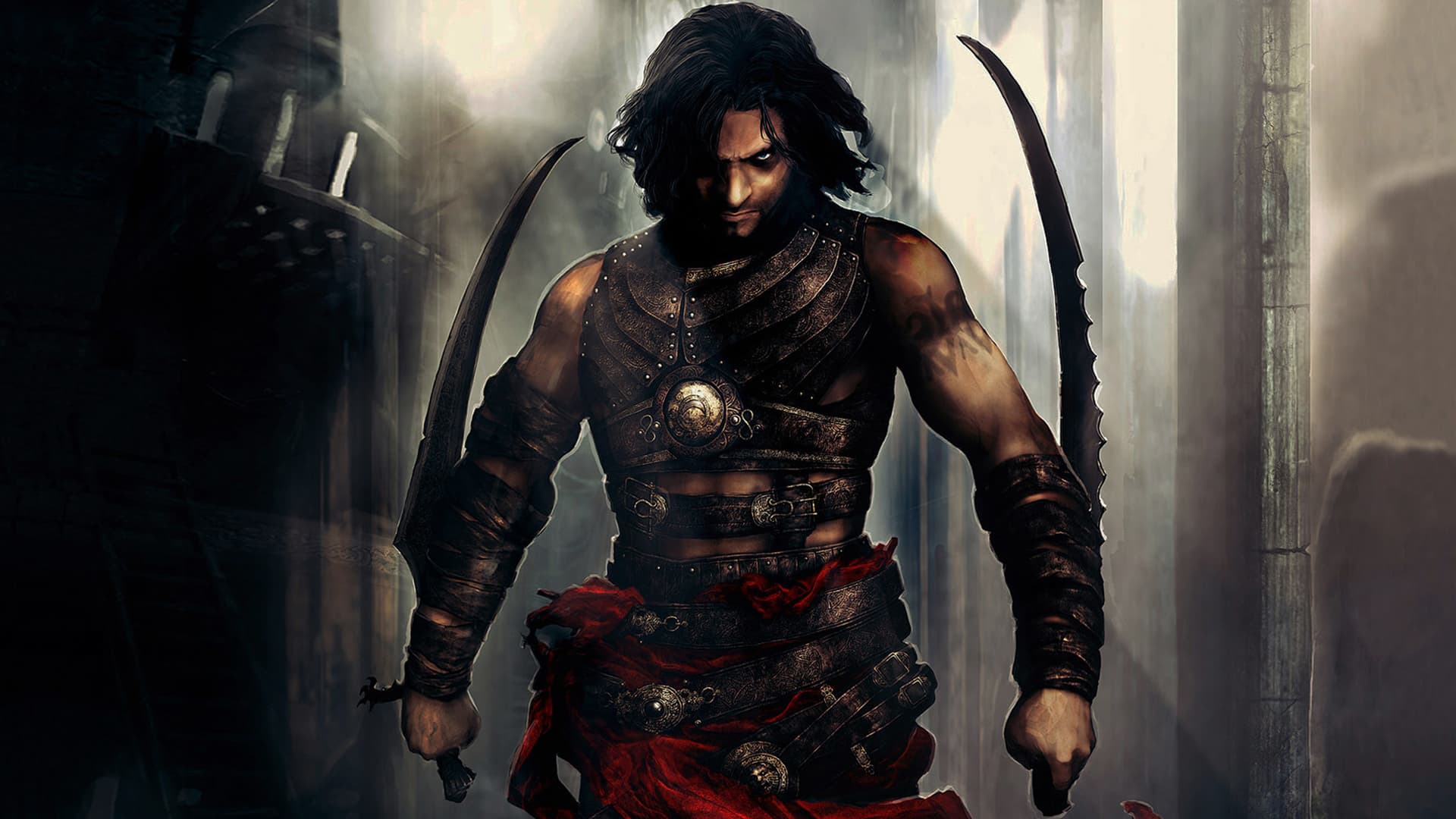
≠ Its own twist: precision platforming, strong narrative focus and dark, oppressive atmosphere, while skipping combat magic
Prince of Persia: Warrior Within is an action adventure game and a part of the vast Prince of Persia series which includes ten titles overall.

✓ Both are third-person Action RPGs — sharing deep RPG systems, action RPG combat and adventure storytelling
≠ Where it differs: brings survival mechanics, horror tension and dark, oppressive atmosphere, while skipping combat magic
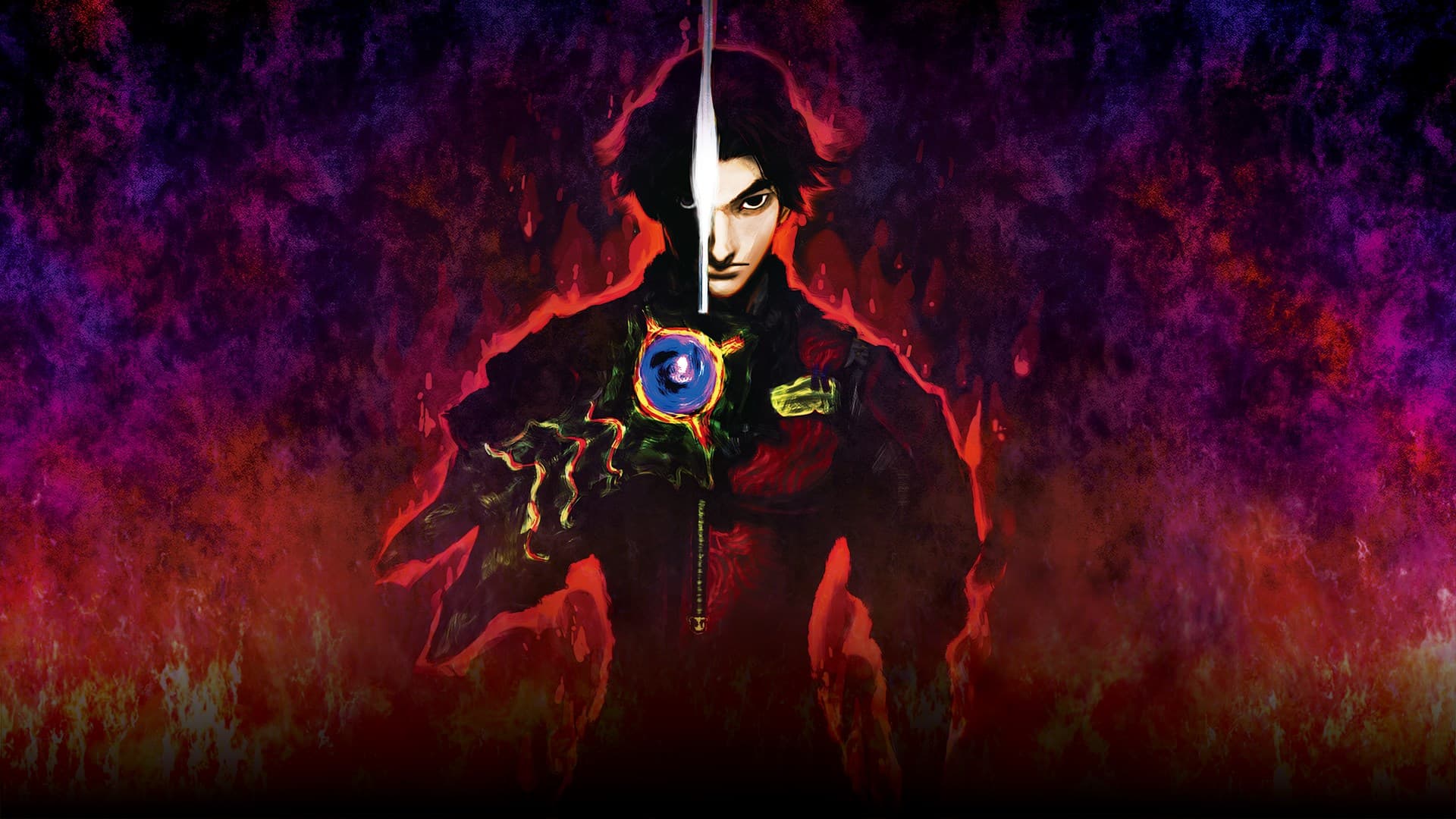
Capcom’s riveting samurai adventure returns! This version includes the original game’s intense swordplay and dramatic revenge story, plus a host of enhancements. Improved controls allow players to move and fight with analog-stick precision.

✓ Both are third-person Action RPGs — sharing deep RPG systems, action RPG combat and adventure storytelling
≠ Its own twist: deep simulation, dark, oppressive atmosphere and strong narrative focus, while skipping combat magic
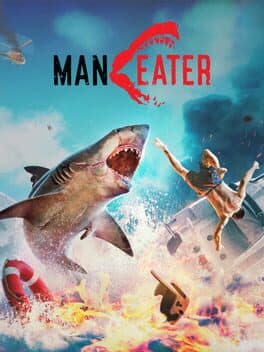
You play the shark. Eat fish, wildlife and swimmers to evolve, upgrade your bite and hunt the hunters back, all narrated as a straight-faced wildlife documentary. The B-movie tone is the appeal and it commits to it. The recurring complaint is technical rather than creative: crashes, stutter and startup failures on modern Windows come up constantly, even from players who finished it.
Released 12 years after Rise of the Argonauts.

✓ Fits the third-person Action RPGs cluster, with deep RPG systems, action RPG combat and adventure storytelling
≠ Where it differs: brings setting scifi and free to play, while skipping melee combat
Where it drifts furthest from Rise of the Argonauts: setting.
Released 16 years after Rise of the Argonauts.

✓ Nearly identical: deep RPG systems, action RPG combat and adventure storytelling.
≠ Missing: melee combat.
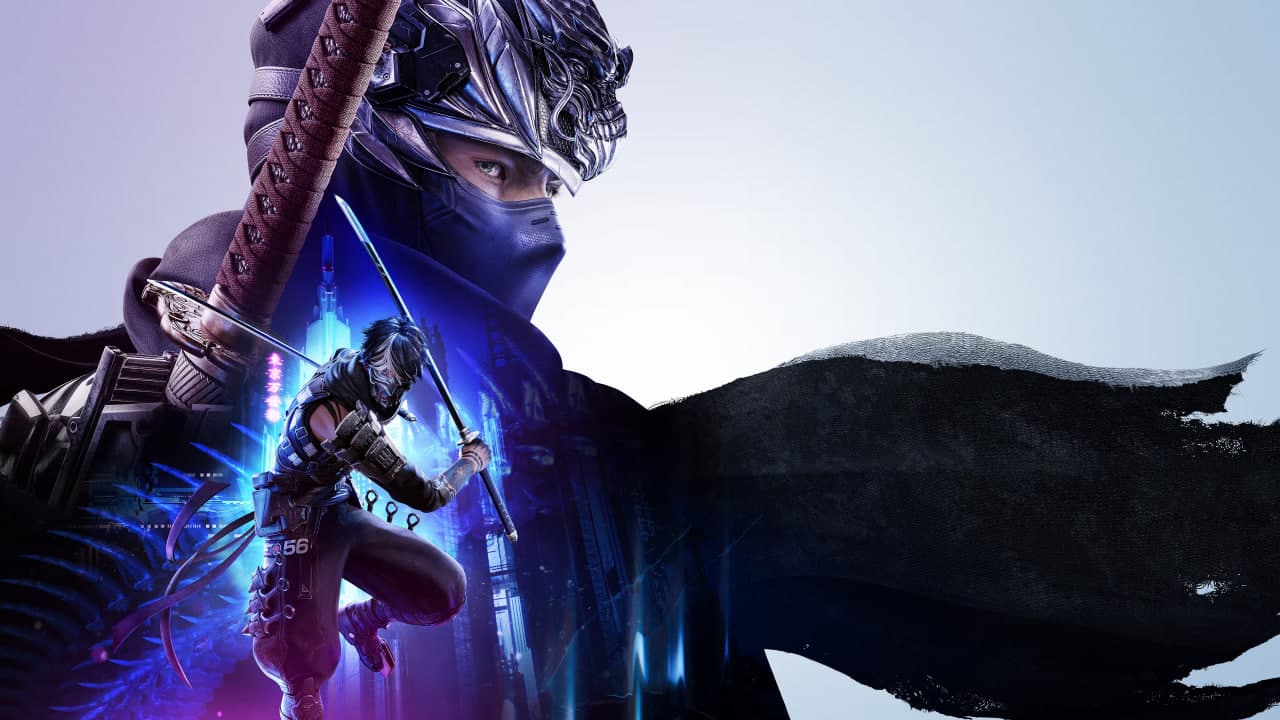
The series returns to high-speed action after a long absence: fast, aggressive combat built around a new protagonist rather than Ryu, with more forgiving systems than the notoriously brutal earlier entries. Fans of the older games are the ones who bounce off it — the moveset and structure read closer to Metal Gear Rising than to Ninja Gaiden II, and Ryu is barely playable for most of the run.
Released 17 years after Rise of the Argonauts.