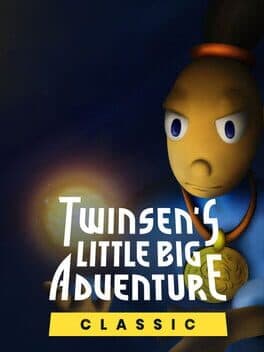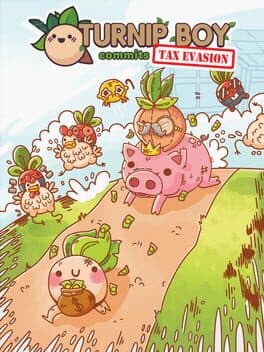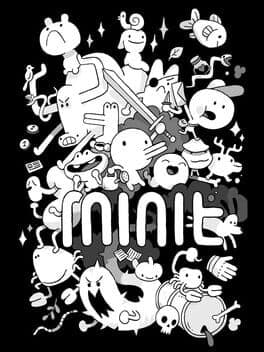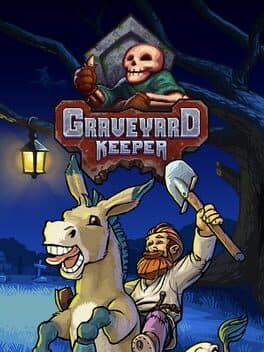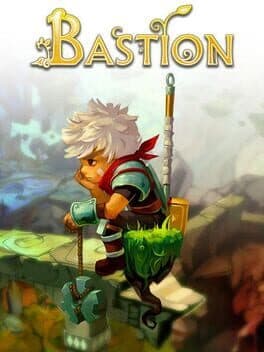
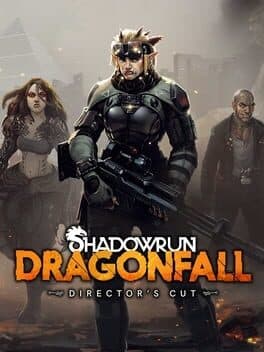
✓ Both are isometric Action RPGs — sharing deep RPG systems, combat magic and melee combat
≠ Stands apart with adventure storytelling, turn-based strategy and sandbox freedom, while skipping visual first person
Released 27 years after Phantasy Star.

Games like Phantasy Star · Find similar →
More about this game →We filtered the 47 games similar to Phantasy Star down to the 14 that fit the “Mobile” category. Shadowrun: Dragonfall - Director's Cut, Dragon Quest and Planescape: Torment top the list, ranked by affinity and similarity score to Phantasy Star.
Did you find what you were looking for?
Quick answer
Within the “Mobile” category, the closest game to Phantasy Star is Shadowrun: Dragonfall - Director's Cut — scoring 79/100 on our similarity scale. Dragon Quest and Planescape: Torment follow close behind.
Help us build the best rankings
Community poweredVote on each result below — good match or not. Every vote directly shapes how we rank similar games for everyone.
Handpicked by our similarity algorithm, these are the titles with the highest gameplay match to Phantasy Star. Each one has been evaluated across 8 real attributes — from combat style and progression mechanics to world structure and visual perspective — so every recommendation is based on how the game actually plays, not just its genre label.

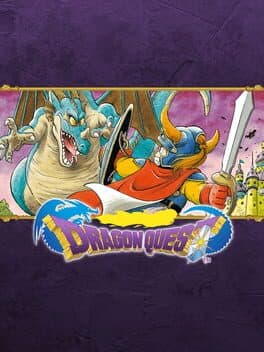
✓ Both are isometric Action RPGs — sharing deep RPG systems, combat magic and melee combat
≠ Stands apart with adventure storytelling, turn-based strategy and sandbox freedom, while skipping visual first person
Released 27 years after Phantasy Star.

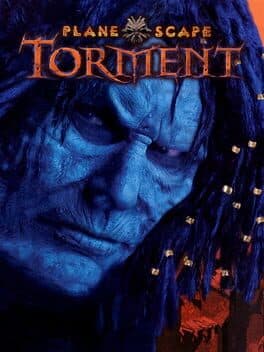
✓ Fits the isometric Action RPGs cluster, with deep RPG systems, combat magic and melee combat
≠ Its own twist: adventure storytelling, sandbox freedom and turn-based strategy, while skipping setting scifi
Where it drifts furthest from Phantasy Star: setting.
Released 17 years after Phantasy Star.

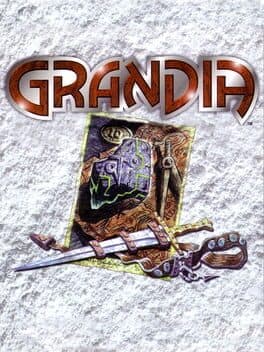
✓ Fits the isometric Action RPGs cluster, with deep RPG systems, combat magic and melee combat
≠ Stands apart with puzzle design, strong narrative focus and dark, oppressive atmosphere, while skipping setting scifi
Released 12 years after Phantasy Star.

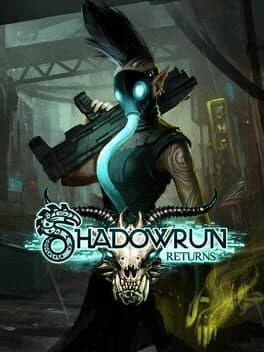
✓ Fits the isometric Action RPGs cluster, with deep RPG systems, combat magic and melee combat
≠ Where it differs: brings turn-based strategy, dark, oppressive atmosphere and ranged combat, while skipping setting scifi
Released 10 years after Phantasy Star.

✓ Fits the isometric Action RPGs cluster, with deep RPG systems, combat magic and setting scifi
≠ Stands apart with adventure storytelling, turn-based strategy and strong narrative focus, while skipping melee combat
Released 26 years after Phantasy Star.

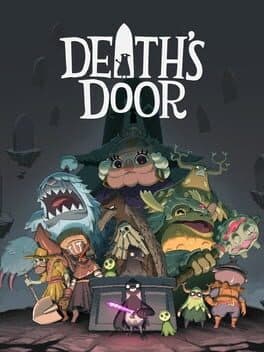
✓ Both are isometric Action RPGs — sharing deep RPG systems, melee combat and combat magic
≠ Its own twist: adventure storytelling, puzzle design and strong narrative focus, while skipping fantasy world
Where it drifts furthest from Phantasy Star: setting.
Released 7 years after Phantasy Star.

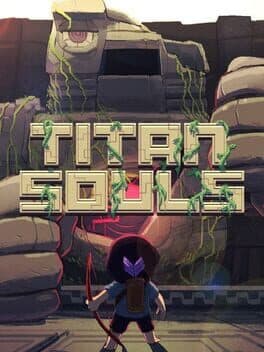
✓ Same family of isometric Action RPGs: deep RPG systems, melee combat and fantasy world
≠ Its own twist: action RPG combat, adventure storytelling and Metroidvania exploration, while skipping combat magic
Where it drifts furthest from Phantasy Star: visuals.
Released 34 years after Phantasy Star.

✓ Same family of isometric Action RPGs: deep RPG systems, melee combat and fantasy world
≠ Stands apart with action RPG combat, adventure storytelling and survival mechanics, while skipping combat magic
Where it drifts furthest from Phantasy Star: visuals.
Released 28 years after Phantasy Star.

✓ Both are isometric Action RPGs — sharing deep RPG systems, melee combat and fantasy world
≠ Where it differs: brings action RPG combat, adventure storytelling and precision platforming, while skipping combat magic
In this unique Zelda-lite game, explore and fight your way through surreal and creepy, nature, urban and abstract themed areas in the human Young's subconscious, evoked by a 16-bit-era visual style and a moody, dream-like soundtrack. Created by Sean Han Tani and Joni Kittaka.
Where it drifts furthest from Phantasy Star: visuals.
Released 26 years after Phantasy Star.

✓ Same family of isometric Action RPGs: deep RPG systems, melee combat and fantasy world
≠ Where it differs: brings puzzle design, horror tension and adventure storytelling, while skipping combat magic
Where it drifts furthest from Phantasy Star: visuals and setting.
Released 34 years after Phantasy Star.

✓ Fits the isometric Action RPGs cluster, with deep RPG systems, melee combat and fantasy world
≠ Stands apart with adventure storytelling, puzzle design and strong narrative focus, while skipping combat magic
Where it drifts furthest from Phantasy Star: visuals and combat.
Released 31 years after Phantasy Star.

✓ Both are isometric Action RPGs — sharing deep RPG systems, melee combat and fantasy world
≠ Where it differs: brings adventure storytelling, deep simulation and sandbox freedom, while skipping combat magic
Where it drifts furthest from Phantasy Star: visuals and setting.
Released 31 years after Phantasy Star.

✓ Same family of isometric Action RPGs: deep RPG systems, melee combat and fantasy world
≠ Stands apart with action RPG combat, adventure storytelling and strong narrative focus, while skipping combat magic
Where it drifts furthest from Phantasy Star: combat and setting.
Released 24 years after Phantasy Star.

✓ Fits the isometric Action RPGs cluster, with deep RPG systems, melee combat and setting scifi
≠ Stands apart with deep simulation, adventure storytelling and sandbox freedom, while skipping combat magic
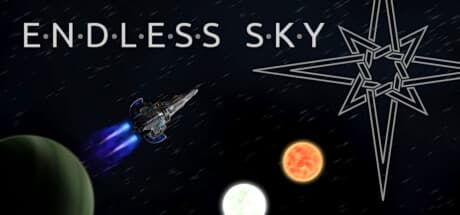
Endless Sky is a 2D space trading and combat game inspired by the classic Escape Velocity series. Work your way up from a relatively wimpy shuttle, cargo ship, or fighter, to a highly upgraded and customized flagship or to a massive fleet of warships or freighters.
Where it drifts furthest from Phantasy Star: setting and combat.
Released 28 years after Phantasy Star.